My Clean Beauty Journey

My Clean Beauty Journey

With Beautycounter + Monat

Hi friends!

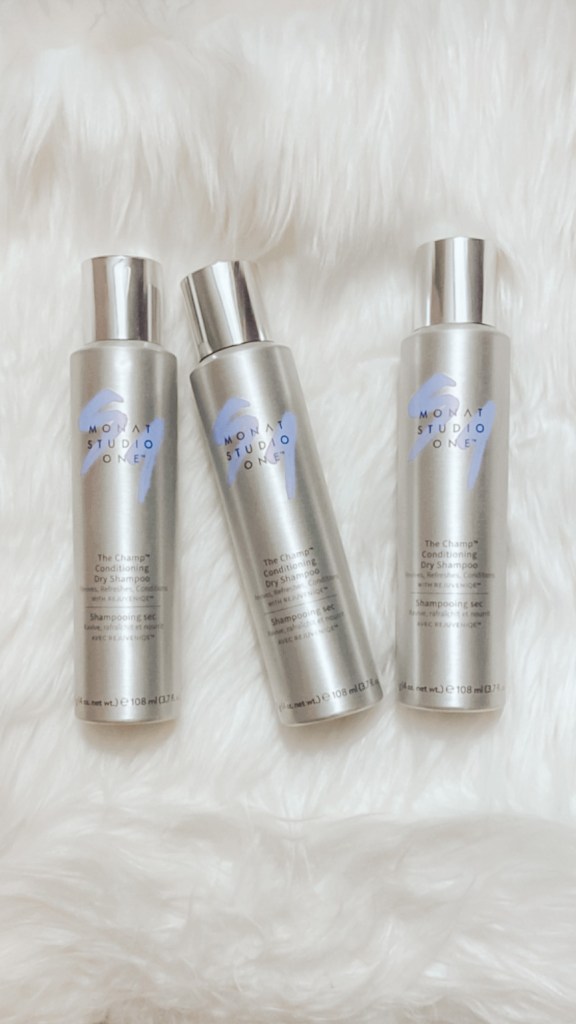
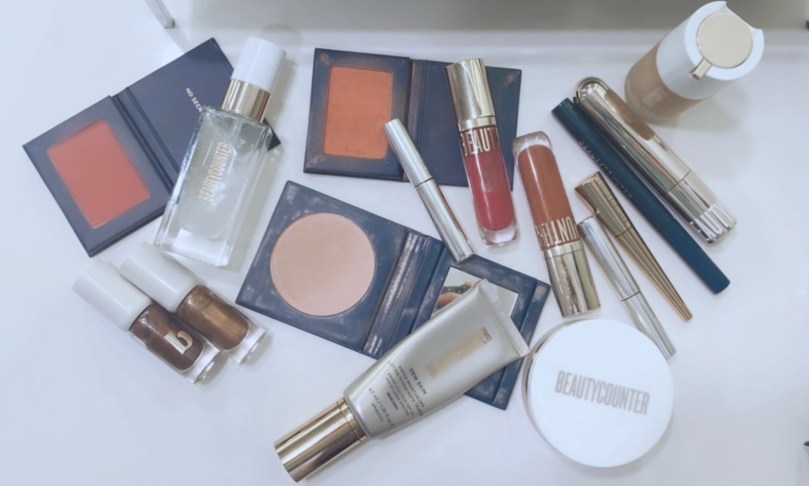
I wanted to share something I’m really excited about with you all! If you frequent this blog, you know that over the last year or so, I’ve really been focusing on mental health and wellness from the inside out. During this journey, I started paying attention to the products and ingredients I was using for hair, skin, bath + body, and makeup. I learned a lot about how our health is affected by the personal care products that we use daily. I discovered a vegan, anti-aging hair care brand called Monat and a clean beauty brand called Beautycounter. After trying the products from both companies, I noticed an almost immediate change in my hair and skin, so I decided to partner with the brands as an advocate and educator!

To give you the backstory, I began by looking at the ingredients on my hair products. I was using great, salon-purchased products but continued to have issues with an oily scalp. In addition, I have naturally fine, thin hair and was using tape-in extensions to give me volume and thickness. They require re-application every 6-8 weeks. At first, I didn’t mind because the extensions got the job done. But after awhile, the maintenance grew frustrating. A good friend of mine had been using Monat products, as she was suffering from hair loss due to stress. She introduced me to Monat in October 2020. I decided to join as a market partner so that I could try a ton of different products and see what worked best for me. Initially, I had no intention of sharing about the products to those outside of my close circle; however, I have become OBSESSED!!! Not just with hair care, but also the wellness products.

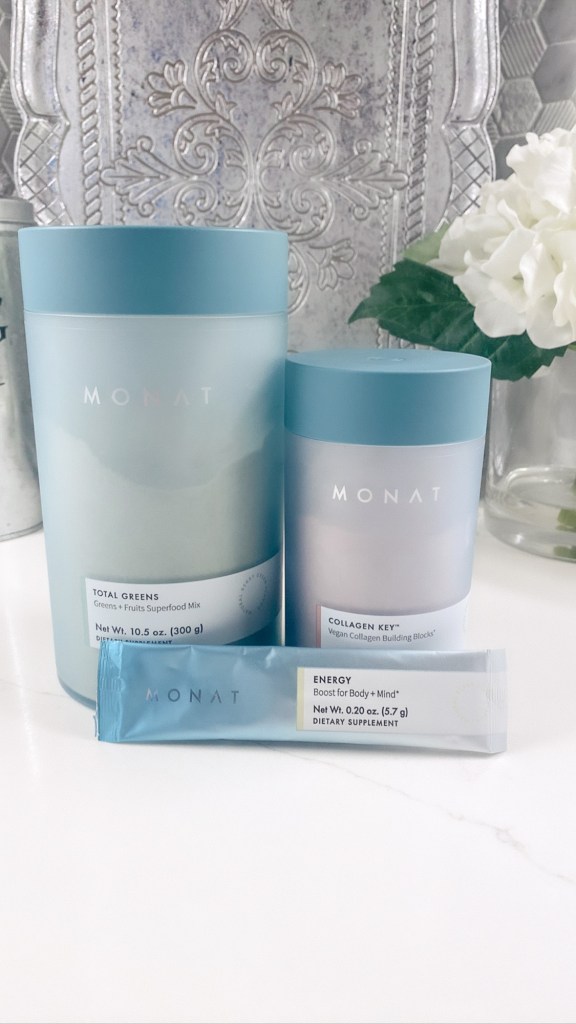
After using Monat products exclusively for 6 months, I can attest how amazing they truly are. I can now go 2 full days without an oily scalp; whereas before, I could only go about 12 hours before my scalp became excessively oily. Not to mention, my skin has improved tremendously. I have suffered from breakouts and discoloration from sun exposure and skin-picking. Now, I only have the occasional hormonal breakout and my dark spots are improving day by day. And as an additional bonus, I fell in love with the wellness products. I’ve tried many different wellness supplements in the past but never actually enjoyed the way they tasted. Many even made my stomach ache. These wellness products actually taste incredible and don’t give me stomach pains.

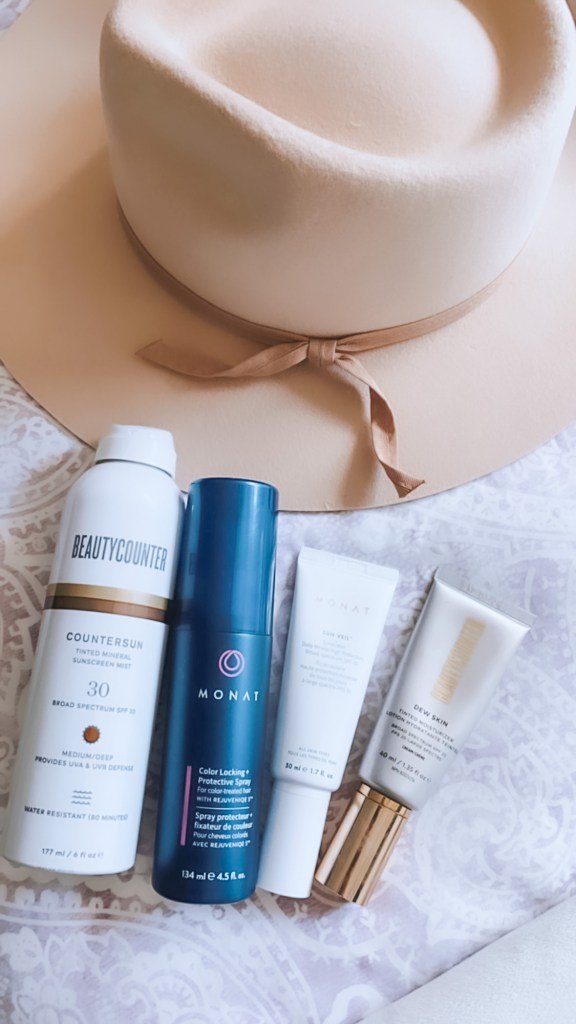
Fast forward a few months, I began working in-office full time again (post-COVID) in March 2021. I am still required to wear a mask while with clients and I began noticing a case of “maskne” in areas I have never had breakouts before – specifically along my jawline. Since I have to wear a mask, I decided to look at the ingredients in my makeup and see if that could be a contributing factor as well. Coincidently enough, the very next week, one of my client’s parents asked me if I had ever heard about Beautycounter – which was the makeup brand I had been looking into for the last week. I told her I had just been looking into trying Beautycounter. She gave me several full-sized products to try for a week. I used the products, including the acne line, Countercontrol, as my skincare routine. The results were almost instantaneous. When she followed up with me, she asked me if I wanted to join as a consultant. Since I love the products and am super into all of the clean beauty things, I said yes!

It has been 8 months since I began using Monat exclusively and 2 months since I began using Beautycounter exclusively. I am truly amazed at my results so I wanted to share my story here for those who may be interested in trying products by either brand.


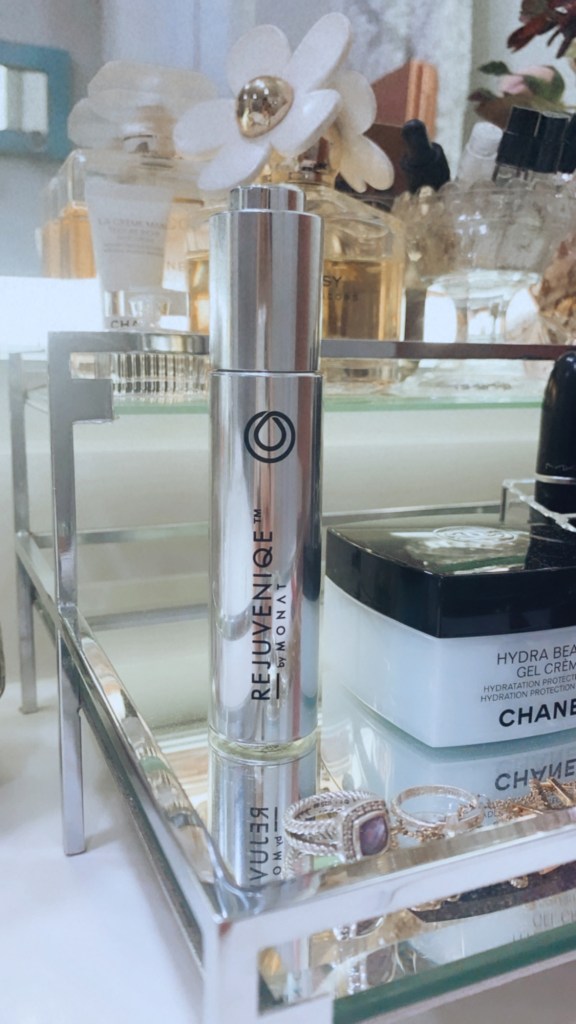
Check out the products below!
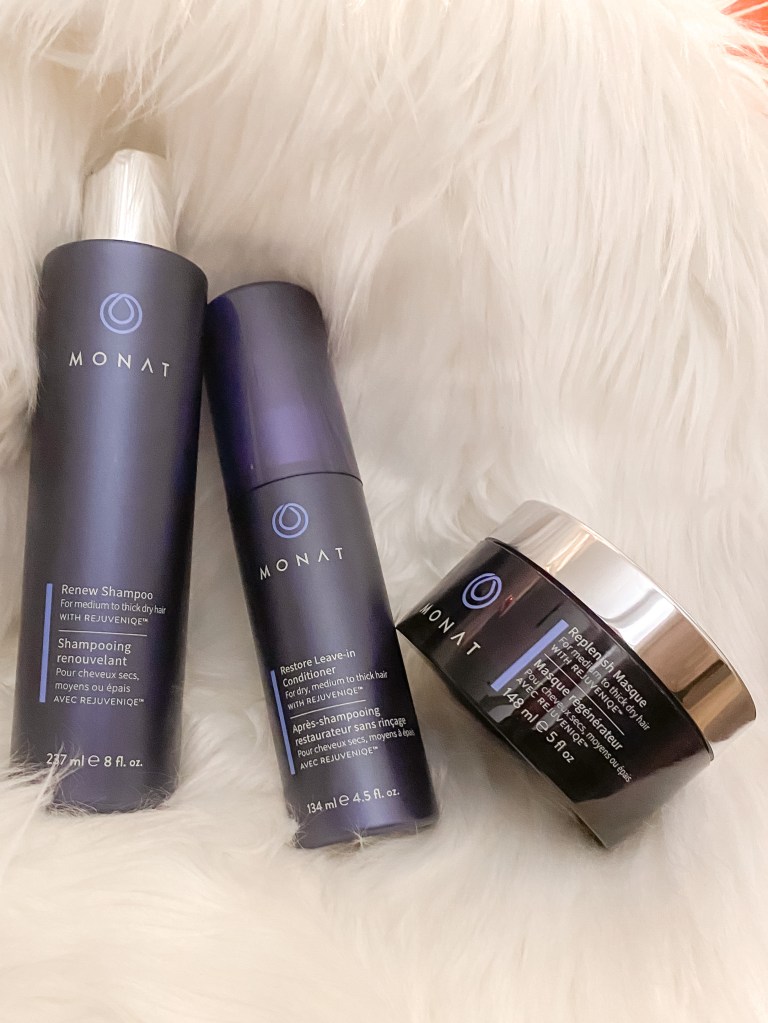

My blog’s main focus has been primarily on mental health, but I will begin including beauty product related posts as well. If you stumble along this post and have any questions about either company or any of their products, I’m more than happy to answer! If you’re interested in trying Monat or Beautycounter, I’d love to help you find the right products for your concerns. I can send samples or set you up with full-sized products.

As a side note, I have also decided to broaden my horizons and include other topics outside of beauty & mental health. Stay tuned!

xo, Meg signature
Compassion For The Narcissist

Compassion For The Narcissist

Should I have compassion for a narcissist?

First and foremost, narcissism exists on a spectrum. We all display narcissistic traits from time to time. This is completely normal. However, there are some individuals who are higher on the spectrum and/or have Narcissistic Personality Disorder (NPD). In order to be diagnosed with the personality disorder, you must meet the criteria listed in the DSM-5. It is also important to mention just because a narcissistic individual is not diagnosed with NPD does not mean their personal narcissistic traits can’t be equally harmful as a person with diagnosed NPD. Narcissists often have a history of neglect or abuse in childhood or some other traumatic childhood experience. Knowing this, you may naturally have empathy and compassion for a narcissistic individual.

To have compassion for a narcissist:

I am no psychologist or therapist, but when I put my mind in a therapist’s perspective, I certainly believe in having compassion for the narcissist. Their behavior is rooted from painful experiences which should never be ignored or invalidated. I can empathize with their painful experiences and understand why this behavior presents – likely as a protective mechanism. They have wounds they perpetually try to compensate for throughout their lives.

Unfortunately, there is a problem with this approach. More than likely, the narcissist doesn’t think they have a problem to begin with. When you attempt to address their behavior, he/she will likely take your empathy, care, and genuine concern as criticism and judgement. You, then, become their enemy. They have spent their lives trying to conceal their wound and their pain. Therefore, when you attempt to empathize with them, they will view this as a weakness.

In addition, narcissists typically view empathetic people as individuals they can easily use and manipulate. You may think you’re doing the right thing by being a supportive, caring person in their life; however, you are being drawn into their game of chaos and confusion. Narcissists require others to fulfill their needs or extract “narcissistic supply” from. They will use you as someone to bully, to manipulate, to make them feel good about themselves, to support them all while they emotionally abuse someone else, etc. Essentially, everyone in their life is a “pawn” they can use for whatever reason they deem necessary at the time. There is no real, true relationship with a narcissist.

To not have compassion for a narcissist:

Knowing narcissists are users, abusers, and manipulators makes it easy to have no compassion for them whatsoever. It may make you despise the narcissistic individual. This is also problematic – you are now holding on to anger towards the narcissist. You forget that they have wounds that led to their behavior in the first place. It does you no good to hate them – you can’t change them or make them want to change. Moreover, it is not productive to hold on to the negative feeling you have about them due to their behavior. All that will do is hurt you.

To remain neutral:

You can have compassion for a narcissist while maintaining your mental health and not getting involved in their drama and chaos. How? By protecting your boundaries and keeping the realistic perspective of narcissism in mind.

Remain neutral by understanding there is likely (but not always) a childhood trauma causing them deep pain which, in turn, causes their negative behavior to occur. Protect your boundaries by not engaging in possible manipulative tactics. Avoid giving them “narcissistic supply”, especially when it is unwarranted. Remember narcissists use a variety of methods to manipulate others and know they are very skilled in this category. There is often a deeper motive you may be completely unaware of so proceed with caution.

Lastly, most narcissistic individuals do not believe they have a problem, as previously mentioned. However, if a narcissist reaches a point where they are acknowledging how they hurt others and are actively trying to improve and change for the better, then they certainly deserve compassion and support. My advice is to make sure they’re truly making an effort before giving them the benefit of the doubt and being an all-in supporter. Don’t allow them to exploit you further by saying they want to “be better” but doing nothing to actually become better.

See the link here for further information.

Take Care Signature
Reactive Abuse Vs. Mutual Abuse

Reactive Abuse Vs. Mutual Abuse

What is reactive abuse?

In a nutshell, reactive abuse is when a victim reacts abusively in response to an abusive experience. This is typically what the abuser wants – this way, they can “prove” how unstable or mentally ill you are. It can even be used for future manipulation. They can essentially hold your reaction against you in an attempt to gain your compliance or hold guilt over your head when you confront them about their abusive behavior in the future.

What is mutual abuse?

Mutual abuse is when both partners are equally abusive in the relationship. Experts say mutual abuse is extremely rare and many do not believe it exists at all due to the power and control dynamic of abusive relationships. Typically, only one partner is seeking power and control, while the other is seeking out a normal, healthy relationship.

What to do:

When you notice you are behaving a certain way, you may start to think “why am I behaving like this?” or “this is not the norm for me, what is going on?”. This is a key indicator that something is not right with your relationship. Try not to allow yourself to go down the rabbit hole of “this is all my fault”. Instead, take a step back and make note of your patterns. Ask yourself when your behavior occurs and consider what led up to said behavior. Are you being the instigator and provoking your partner? Or are you reacting to their abusive behavior?

I encourage you to avoid looking at the situation as “mutual abuse”. At first glance or first thought, it may very well seem like you both are mutually abusive. However, abusive relationships typically do not occur in this manner. Even experts are uncertain if “mutual abuse” exists at all. Why? Because abuse is an imbalance of power. One partner is seeking control of the other whether that be through physical, emotional, verbal, sexual, or psychological abuse.

Instead, focus on YOUR behavior. Note whether or not you are reacting to your partner being abusive initially. Think about what led up to your behavior and consider other more positive ways to handle similar situations in the future. Then, prepare ahead to respond versus react in these situations.

Learning to respond versus react is imperative. The abuser relies on your reaction and he or she will use your reactions against you time and time again. Most abusers will either say you are the abusive one or that you both are mutually abusive so that they don’t have to take responsibility for their own actions. In order to take your power back, you must learn to respond and avoid reacting. If your partner’s behavior continues despite your positive changes, then it is likely he or she is intentionally provoking you. At this point, it may be in your better interest to consider exiting the relationship.

Remember, reacting to an abusive situation does not mean your behavior is acceptable to continue engaging in moving forward. However, knowing you are reacting versus instigating is essential in healing and growing from the situation, especially when/if your partner holds your reaction against you in the future.

See the link here for more information.

Take Care Signature