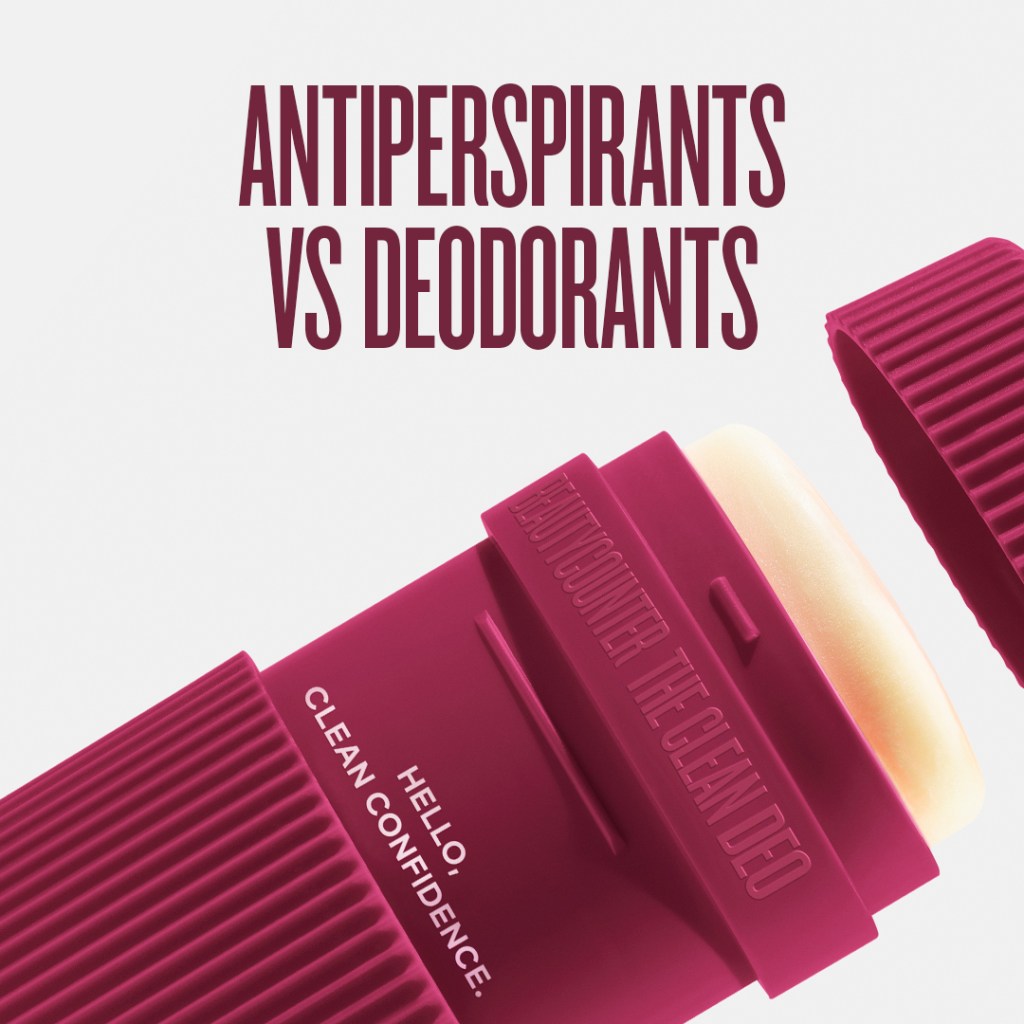
What’s the difference between an antiperspirant & deodorant?
A deodorant masks odor, whereas an antiperspirant reduces how much you sweat.
Both work equally well. However, the ingredients used are significantly different.
Deodorants are often alcohol based and when applied, turn the skin acidic, which makes it less attractive to bacteria.
Antiperspirants, on the other hand, usually include aluminum-based ingredients that block your sweat pores.
As you may know, the research on aluminum in beauty products has mixed reviews. There is potential that it could have negative health effects, as your skin absorbs around 70% of what you put on it. In addition, there is a concern if your skin absorbs the aluminum, it can affect the estrogen receptors of breast cells potentially causing or increasing the risk of breast cancer. While research doesn’t necessarily support this theory (see links 1 & 2 below) , there are other issues with aluminum in deodorant such as skin irritation → see 3rd link for more information.
Interested in trying an aluminum free deodorant?Try our CLEAN DEO!!!
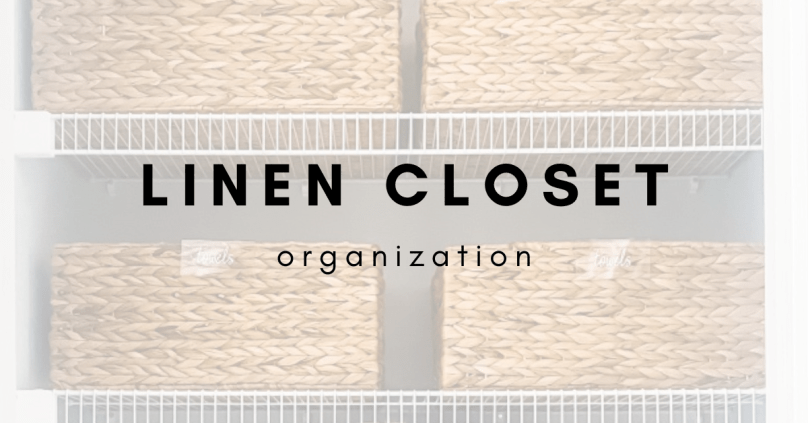
Organization has always been something I have thoroughly enjoyed doing. Even as a child, I enjoyed organizing anything and everything I could get my hands on. Yes, I’m weird. I know. When I heard about The Home Edit, I became obsessed with the way they organize. If you don’t know who they are, I’ll link their instagram at the bottom. My skills aren’t quite as refined as theirs but I implemented their ideas in this small linen closet.
On the top two shelves, I used baskets to contain toilet paper, fresh linens, bath towels, and beach towels.
On the middle shelf, I used the clear Modular All-Purpose Bins for bathing items (left) and bath + body care items (right). In the center, I used the clear Stackable Drawers and Tall Bin Organizers for Beautycounter + Monat samples.
On the second shelf from the bottom, I used the clear Modular All-Purpose Bins as well as the iDesign Clear Pantry Bins to contain various skincare items.
On the bottom shelf, I used the Hair Tool Trio to contain back stock hair care + styling products (left) and hair styling tools (right).
I keep everything labeled as a way to prevent me from getting into a hurry and just sticking items in a random place.
When I first moved into my current apartment in 2020, I chose to used to use baskets to contain my back stock items and left towels + linens folded on the shelves. I realized I was unable to see the back stock items which grew frustrating when I needed to look quickly while making a shopping list.
After reading one of The Home Edit’s books & watching their show , I decided to recalibrate my linen closet in a more visual and functional way.
I already have an extra toilet paper holder out in the bathroom and I have towel rods, so these are things I don’t need to access as often. I chose to keep those items hidden away in baskets. I decided to use the clear bins for skin care and hair care items because they allow me to see what I’m getting low on and also give me easy access to items I don’t use every day but tend to use at least weekly.
I kind of hate the wire shelving because you can’t set most things directly on the shelves without them tipping over. These clear bins are the perfect solution. I can still see everything, it is all contained, and nothing tips over!
I hope my linen closet organization gives you ideas for your own linen closet or other small closet space! Click here for specific product details & click here to check out The Home Edit on Instagram!
Headspace is the perfect app for guided meditations. It has a plethora of resources including options for sleeping, moving your body, focusing, and general meditating. Additionally, it pulls choices from the library for a “start your day”, “afternoon lift”, and an “at night” section on the home page. You can log your progress regarding reducing stress and anxiety management in the app every 2 weeks as well. One caveat is you have to buy the annual subscription of $70.
Years ago, someone told me about this app and I considered it. At the time, however, I was unwilling to spend $70 on an app I felt certain I wouldn’t use. With that being said, I have struggled with my ability to fall asleep for years. I have tried everything from essential oils, medication, melatonin, Benadryl, literally everything you can possibly think of. My struggle to fall asleep has negatively impacted my daily life as you can probably imagine. I was desperate to find something that worked for me. One day I was scrolling through my instagram feed and noticed an ad for Headspace. I had forgotten all about this app until that day. I figured I might as well give it a try since nothing else had worked well for me.
I began my 7-day free trial and chose the sleepcasts option which are essentially calming visualization stories narrated by someone soft-spoken with peaceful sounds in the background. The narrators all go through guided wind-downs with you prior to beginning the stories. The wind-downs range from breathing exercises, “noting”, or visualizing. I was SO amazed by how quickly I was able to fall asleep!!! I normally lay for hours before I am finally able to drift off to sleep. With headspace, I have been able to fall asleep within 15 minutes most nights.
Since I was enjoying the sleepcasts so much, I began using other features within the app. Each option I have tried has been so helpful in keeping me grounded throughout the day. I often use the afternoon lifts on my lunch break or while I’m in the car traveling from one work location to another. I can’t recommend this app enough. It is truly the best $70 I have ever spent.
There are many free apps out there with similar features and functions. I recommend looking through the App Store prior to spending money on Headspace. You may be able to find something that works for you free of charge. I personally tried several other apps first but didn’t find what I was looking for. In my opinion, Headspace is the easiest to use and the quality of content is significantly better than others I tried.
Feel free to share your favorite meditation apps in the comments!
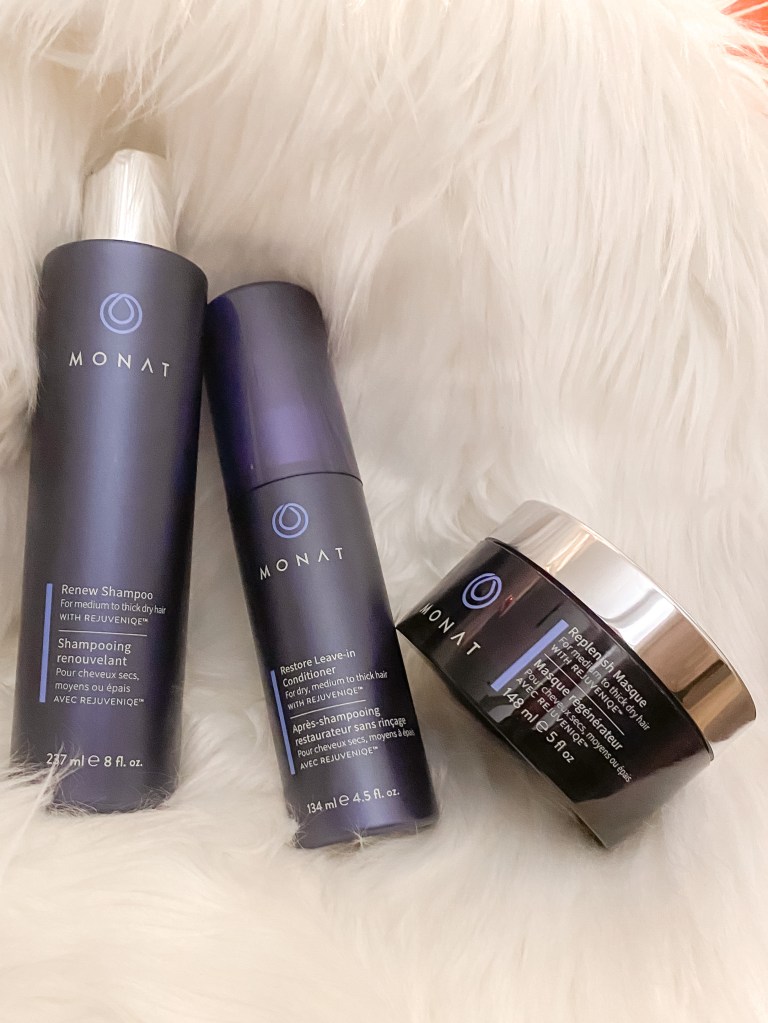
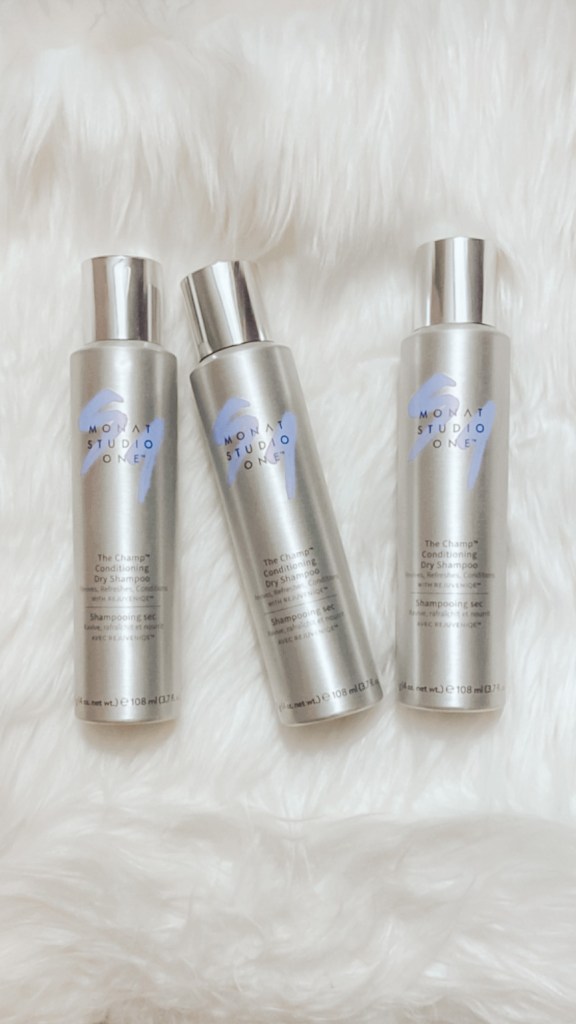
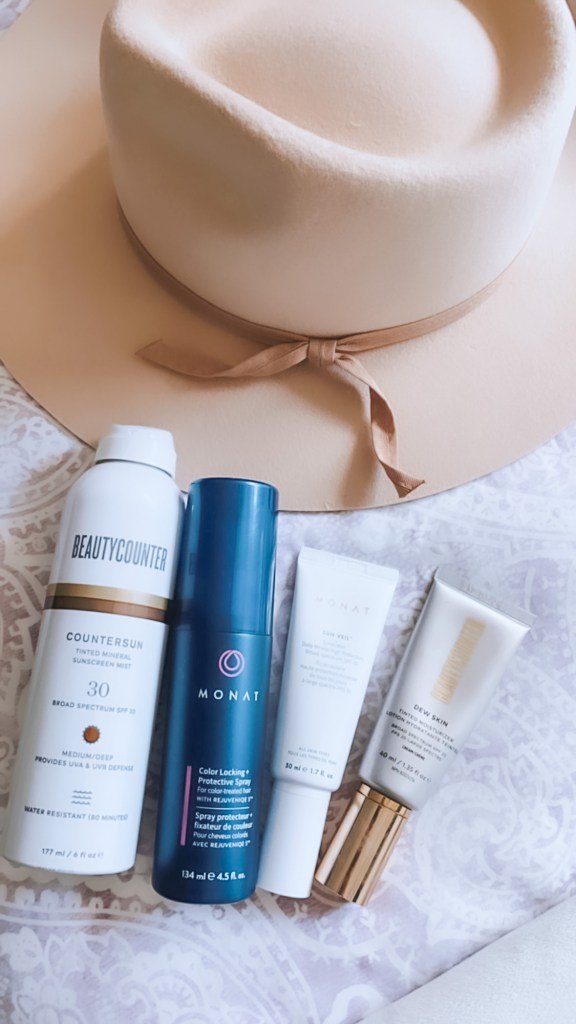
I wanted to share something I’m really excited about with you all! If you frequent this blog, you know that over the last year or so, I’ve really been focusing on mental health and wellness from the inside out. During this journey, I started paying attention to the products and ingredients I was using for hair, skin, bath + body, and makeup. I learned a lot about how our health is affected by the personal care products that we use daily. I discovered a vegan, anti-aging hair care brand called Monat and a clean beauty brand called Beautycounter. After trying the products from both companies, I noticed an almost immediate change in my hair and skin, so I decided to partner with the brands as an advocate and educator!
To give you the backstory, I began by looking at the ingredients on my hair products. I was using great, salon-purchased products but continued to have issues with an oily scalp. In addition, I have naturally fine, thin hair and was using tape-in extensions to give me volume and thickness. They require re-application every 6-8 weeks. At first, I didn’t mind because the extensions got the job done. But after awhile, the maintenance grew frustrating. A good friend of mine had been using Monat products, as she was suffering from hair loss due to stress. She introduced me to Monat in October 2020. I decided to join as a market partner so that I could try a ton of different products and see what worked best for me. Initially, I had no intention of sharing about the products to those outside of my close circle; however, I have become OBSESSED!!! Not just with hair care, but also the wellness products.
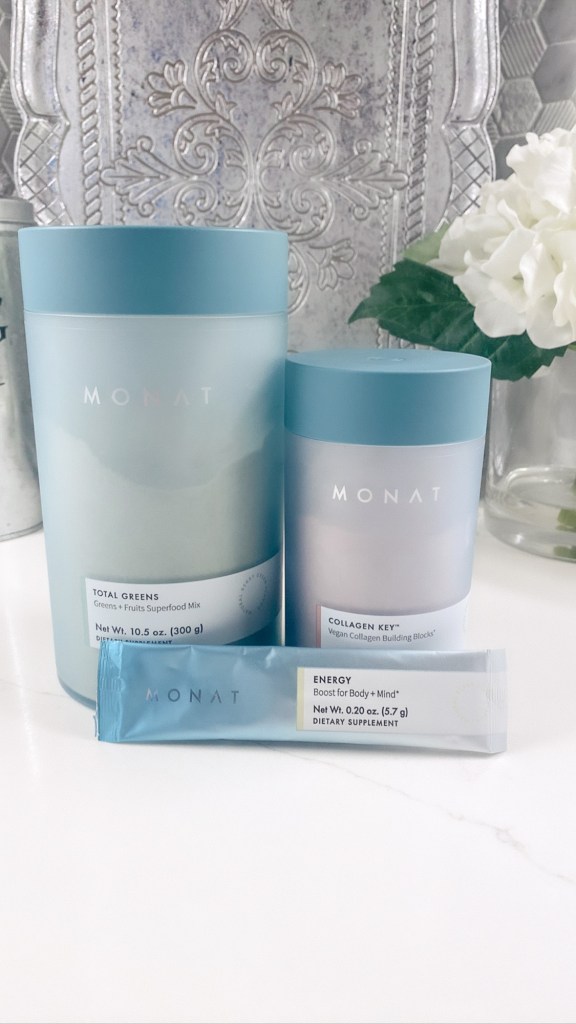
After using Monat products exclusively for 6 months, I can attest how amazing they truly are. I can now go 2 full days without an oily scalp; whereas before, I could only go about 12 hours before my scalp became excessively oily. Not to mention, my skin has improved tremendously. I have suffered from breakouts and discoloration from sun exposure and skin-picking. Now, I only have the occasional hormonal breakout and my dark spots are improving day by day. And as an additional bonus, I fell in love with the wellness products. I’ve tried many different wellness supplements in the past but never actually enjoyed the way they tasted. Many even made my stomach ache. These wellness products actually taste incredible and don’t give me stomach pains.
Fast forward a few months, I began working in-office full time again (post-COVID) in March 2021. I am still required to wear a mask while with clients and I began noticing a case of “maskne” in areas I have never had breakouts before – specifically along my jawline. Since I have to wear a mask, I decided to look at the ingredients in my makeup and see if that could be a contributing factor as well. Coincidently enough, the very next week, one of my client’s parents asked me if I had ever heard about Beautycounter – which was the makeup brand I had been looking into for the last week. I told her I had just been looking into trying Beautycounter. She gave me several full-sized products to try for a week. I used the products, including the acne line, Countercontrol, as my skincare routine. The results were almost instantaneous. When she followed up with me, she asked me if I wanted to join as a consultant. Since I love the products and am super into all of the clean beauty things, I said yes!
It has been 8 months since I began using Monat exclusively and 2 months since I began using Beautycounter exclusively. I am truly amazed at my results so I wanted to share my story here for those who may be interested in trying products by either brand.
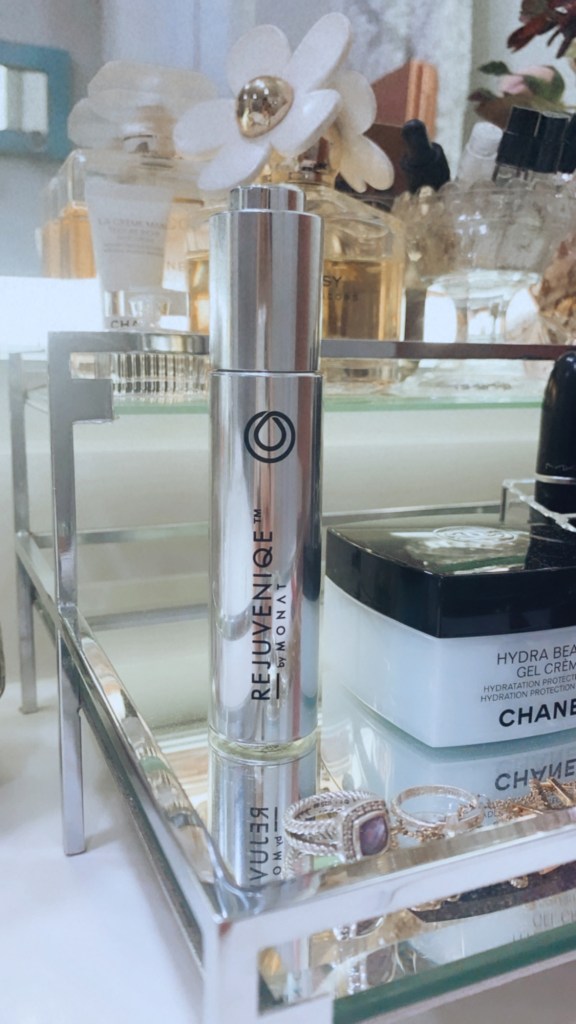
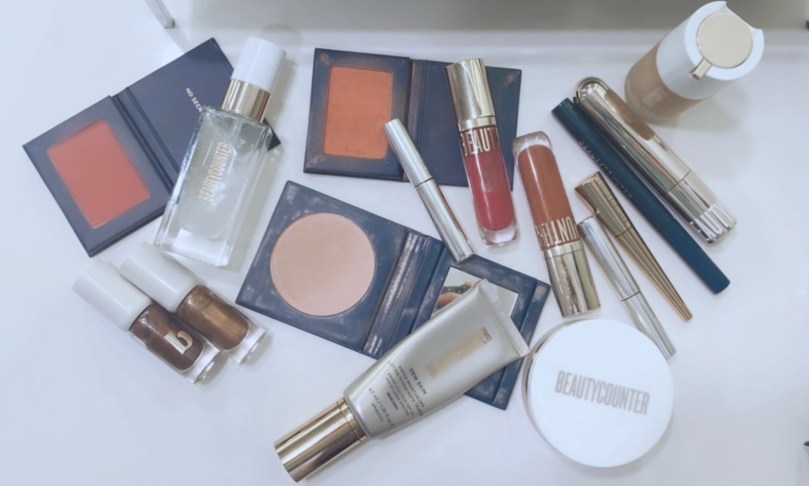
Check out the products below!
My blog’s main focus has been primarily on mental health, but I will begin including beauty product related posts as well. If you stumble along this post and have any questions about either company or any of their products, I’m more than happy to answer! If you’re interested in trying Monat or Beautycounter, I’d love to help you find the right products for your concerns. I can send samples or set you up with full-sized products.
As a side note, I have also decided to broaden my horizons and include other topics outside of beauty & mental health. Stay tuned!
First and foremost, narcissism exists on a spectrum. We all display narcissistic traits from time to time. This is completely normal. However, there are some individuals who are higher on the spectrum and/or have Narcissistic Personality Disorder (NPD). In order to be diagnosed with the personality disorder, you must meet the criteria listed in the DSM-5. It is also important to mention just because a narcissistic individual is not diagnosed with NPD does not mean their personal narcissistic traits can’t be equally harmful as a person with diagnosed NPD. Narcissists often have a history of neglect or abuse in childhood or some other traumatic childhood experience. Knowing this, you may naturally have empathy and compassion for a narcissistic individual.
To have compassion for a narcissist:
I am no psychologist or therapist, but when I put my mind in a therapist’s perspective, I certainly believe in having compassion for the narcissist. Their behavior is rooted from painful experiences which should never be ignored or invalidated. I can empathize with their painful experiences and understand why this behavior presents – likely as a protective mechanism. They have wounds they perpetually try to compensate for throughout their lives.
Unfortunately, there is a problem with this approach. More than likely, the narcissist doesn’t think they have a problem to begin with. When you attempt to address their behavior, he/she will likely take your empathy, care, and genuine concern as criticism and judgement. You, then, become their enemy. They have spent their lives trying to conceal their wound and their pain. Therefore, when you attempt to empathize with them, they will view this as a weakness.
In addition, narcissists typically view empathetic people as individuals they can easily use and manipulate. You may think you’re doing the right thing by being a supportive, caring person in their life; however, you are being drawn into their game of chaos and confusion. Narcissists require others to fulfill their needs or extract “narcissistic supply” from. They will use you as someone to bully, to manipulate, to make them feel good about themselves, to support them all while they emotionally abuse someone else, etc. Essentially, everyone in their life is a “pawn” they can use for whatever reason they deem necessary at the time. There is no real, true relationship with a narcissist.
To not have compassion for a narcissist:
Knowing narcissists are users, abusers, and manipulators makes it easy to have no compassion for them whatsoever. It may make you despise the narcissistic individual. This is also problematic – you are now holding on to anger towards the narcissist. You forget that they have wounds that led to their behavior in the first place. It does you no good to hate them – you can’t change them or make them want to change. Moreover, it is not productive to hold on to the negative feeling you have about them due to their behavior. All that will do is hurt you.
To remain neutral:
You can have compassion for a narcissist while maintaining your mental health and not getting involved in their drama and chaos. How? By protecting your boundaries and keeping the realistic perspective of narcissism in mind.
Remain neutral by understanding there is likely (but not always) a childhood trauma causing them deep pain which, in turn, causes their negative behavior to occur. Protect your boundaries by not engaging in possible manipulative tactics. Avoid giving them “narcissistic supply”, especially when it is unwarranted. Remember narcissists use a variety of methods to manipulate others and know they are very skilled in this category. There is often a deeper motive you may be completely unaware of so proceed with caution.
Lastly, most narcissistic individuals do not believe they have a problem, as previously mentioned. However, if a narcissist reaches a point where they are acknowledging how they hurt others and are actively trying to improve and change for the better, then they certainly deserve compassion and support. My advice is to make sure they’re truly making an effort before giving them the benefit of the doubt and being an all-in supporter. Don’t allow them to exploit you further by saying they want to “be better” but doing nothing to actually become better.
In a nutshell, reactive abuse is when a victim reacts abusively in response to an abusive experience. This is typically what the abuser wants – this way, they can “prove” how unstable or mentally ill you are. It can even be used for future manipulation. They can essentially hold your reaction against you in an attempt to gain your compliance or hold guilt over your head when you confront them about their abusive behavior in the future.
What is mutual abuse?
Mutual abuse is when both partners are equally abusive in the relationship. Experts say mutual abuse is extremely rare and many do not believe it exists at all due to the power and control dynamic of abusive relationships. Typically, only one partner is seeking power and control, while the other is seeking out a normal, healthy relationship.
What to do:
When you notice you are behaving a certain way, you may start to think “why am I behaving like this?” or “this is not the norm for me, what is going on?”. This is a key indicator that something is not right with your relationship. Try not to allow yourself to go down the rabbit hole of “this is all my fault”. Instead, take a step back and make note of your patterns. Ask yourself when your behavior occurs and consider what led up to said behavior. Are you being the instigator and provoking your partner? Or are you reacting to their abusive behavior?
I encourage you to avoid looking at the situation as “mutual abuse”. At first glance or first thought, it may very well seem like you both are mutually abusive. However, abusive relationships typically do not occur in this manner. Even experts are uncertain if “mutual abuse” exists at all. Why? Because abuse is an imbalance of power. One partner is seeking control of the other whether that be through physical, emotional, verbal, sexual, or psychological abuse.
Instead, focus on YOUR behavior. Note whether or not you are reacting to your partner being abusive initially. Think about what led up to your behavior and consider other more positive ways to handle similar situations in the future. Then, prepare ahead to respond versus react in these situations.
Learning to respond versus react is imperative. The abuser relies on your reaction and he or she will use your reactions against you time and time again. Most abusers will either say you are the abusive one or that you both are mutually abusive so that they don’t have to take responsibility for their own actions. In order to take your power back, you must learn to respond and avoid reacting. If your partner’s behavior continues despite your positive changes, then it is likely he or she is intentionally provoking you. At this point, it may be in your better interest to consider exiting the relationship.
Remember, reacting to an abusive situation does not mean your behavior is acceptable to continue engaging in moving forward. However, knowing you are reacting versus instigating is essential in healing and growing from the situation, especially when/if your partner holds your reaction against you in the future.
By definition, trauma is a deeply distressing or disturbing experience. Most people tend to think of trauma at the most severe level (i.e. war, rape, witnessing murder, physical or sexual abuse, etc). Of course all of those physically violent events would be severely traumatic to anyone. However, it is important to remember that experiences not involving physical violence can be severely traumatic as well.
A Common Misconception
It is all too common that we dismiss less severe traumatic events as nothing more than an uncomfortable or upsetting situation. I, myself, have been guilty of not recognizing events as “traumatic” unless they involved physical violence. Until I began seeing a psychologist in 2018 for struggles with anxiety, I did not not consider any of my life experiences to be “traumatic”. During our first session, she asked me about my childhood, my parents, my friends, and my more recent experiences in life. After discussing a couple of specific events with her, she made a statement along the lines of how traumatic this must have been due to all of the emotional distress I had described. I told her I never considered any of my life experiences as “traumatic”. Once she discussed what trauma actually is, I realized some of my experiences had actually been “traumatic”.
Trauma is Not Just the Event
This conversation with my psychologist sparked a greater interest regarding the topic of trauma. I found greater insight on Psychology Today where trauma is more clearly defined as “an emotional response to severe psychological distress following any terrible or life-threatening event”. Psychological distress is defined as “a state of emotional suffering associated with stressors and demands that are difficult to cope with in daily life”. Therefore, any event causing an extreme emotional response could be considered as trauma – even seemingly “mild” experiences. A greater emotional and physiological response typically follows with every repeated exposure of traumatic experiences – again, even mild ones. With repeated exposure, we become more hyper vigilant to events that resemble the original trauma – aka “tiggers”. We all respond to trauma differently, but those experiences – especially when exposed in childhood – will effect how we respond to future events.
The Body Keeps the Score
I recently began reading a book titled “The Body Keeps the Score” – this book explains how our brain, mind, and body heals from traumatic events. The author, Bessel Van der Kolk, M.D., has been highly involved in the research of trauma and his book offers great insight on how our whole body responds to trauma even long after the traumatic event occurred. His research has even shown that two people experiencing the exact same event may respond in completely different ways – both psychologically and physiologically. In various studies he conducted, the phyisologic response to triggers of the initial event, even 10+ years later, remained the same. I highly recommend this book for anyone interested in trauma – a link is provided below.
We All Have a Past
It is important to recognize and understand that we all have a past and our experiences, even those from childhood, can continue to effect our responses to various events years down the road. Even if we experience the exact same event, we may react one way while another person reacts a completely different way. We should not minimize someone else’s experience nor blame a victim (not even if a self-proclaimed victim) of any level of trauma – even if we feel we would not have been effected by that event or would not react that way to a certain situation. The fact of the matter is that we all have a past that may have “created” our current response to a “triggering” event. Further, we all deal with certain experiences that may be difficult to describe in a way that explains the true depth of our experience. Every single person deserves to feel validated by their emotions and perceptions. If a person is courageous enough to share their experience with you, please be mindful of how you respond. While you may not understand, you can still validate and support him or her.
Final Thoughts
In conclusion, I encourage everyone to become more aware of how you respond to others – adults and children as well. Be mindful that everyone reacts to events and various life situations differently – and the majority of the time, it is not because they’re “crazy” or “unstable”. Their life experiences have most likely shaped that response. While you may not understand, you don’t have to in order to be supportive and provide encouragement. More often than not, people just want to feel heard and validated.
For more information, please see the link provided here.
Today, I wanted to share an article that describes what it feels like to go through narcissistic abuse. This article shed so much light on a couple of my past relationships. When I read this article, I literally felt chills all over my body because I had never read anything more accurate to my experience. It helped me walk away from a relationship that was going no where and was never going to go anywhere. I’m so thankful I found this article because if I hadn’t, I would probably still be in the relationship today. I hope and pray this article helps someone experiencing a similar situation to do the same.
I have grown to despise this term more and more as of lately. In our world today, the word “toxic” is overused and often an excuse to avoid accountability for our own behavior. We all exhibit toxic behaviors from time to time. Expecting a person to act and behave perfectly all of the time is completely unrealistic, especially if a person is going through a difficult period in their life or under a lot of stress. We don’t always know when someone is going through a difficult period of life or in stressful situations. It is important to acknowledge that we may not have the full story so we must be willing to show grace and compassion for others when they are demonstrating toxic behaviors. Not all people are even aware of their toxicity. Some people are more focused on other’s toxicity rather than their own – but with time, many people are able to self-reflect and work towards self-improvement rather than focusing on how other people may need to improve. However, what sets a true “toxic” person apart from the average person is their consistent negative behaviors over a long period of time. True toxicity exists when a person is unwilling to acknowledge and improve their behavior. Truly toxic people expect others to constantly work on their behavior but never work on improving their own. Once you improve your weak areas, they move the goal posts and expect more and more out of you while giving nothing in return.
Another point worth mentioning is that our perception of a person’s behavior is not always accurate. For example, we may perceive a shy person as rude and unfriendly when in reality they may be afraid of being judged so they shy away from social interactions with people they don’t know very well. In addition, we must become aware of our personal “triggers” and understand that just because someone triggers us, does not mean they are a negative or toxic person. Make sure to consider the other person’s intention and your own pain before writing someone off as “toxic”.
Most Common Traits of Highly Toxic Individuals
In order to identify a highly “toxic” person, we must know what to look out for. See the list below for the most common toxic traits:
Toxic people are manipulative. Period. They use anyone and everyone in their life to achieve their own selfish desires. They do not care what you want and will not consider your wants or needs. They may seem to in the beginning, but that is part of how they manipulate you. They essentially groom you to buy into their facade so they can take full advantage of you later on. Often, these individuals are skilled manipulators and have been perfecting their craft for years; therefore, it is likely you may not even realize it until much later on.
Toxic people are judgmental. When you first get to know a person, pay attention to how they criticize others to their face and behind their back. Before long, they’ll be doing the same to you. Their focus will be on what you’ve done or what you didn’t do – it will never be about them. If you ever try to hold them accountable, expect an intense reaction.
Toxic people take no responsibility for their own feelings. They project their feelings onto you. More simply, this means the toxic person will unconsciously take their unwanted emotions or traits they do not like about themselves and attribute them to you. They may even behave in a particular way to evoke a negative response from you so they can blame you for your reaction or response. If you question them, they will defend themselves and their perspectives forevermore. They will not take responsibility for what they have done. If they do, it will either benefit them in some way or be a set up for future manipulation.
Toxic people do not apologize. Everything will always be someone else’s fault. If they do apologize, it will be a poor excuse for an apology and they will not make any effort to improve their behavior. They may even go so far as to play victim in order to gain sympathy and attention from others.
Toxic people are inconsistent. They are not the same person every time you are with them. Notice how their personality shifts depending on their audience. If they have a motive or want to accomplish something from a situation, their attitude, behavior, and perspective may drastically change. They know how to turn on the charm when they want something from you.
Toxic people make you prove yourself to them. This can be done in various ways and in various situations from mild to extreme. For example, they may ask you where you want to go for dinner. When you tell them where you’d like to go, they will make an excuse as to why they don’t want to go there – “I just had that last week; we can go anywhere but there” or “ugh, I hate that place” – when they go there with their friends all the time. They essentially force you to conform to their wants, needs, or desires. In the most severe circumstances, this can turn into a “divide-and-conquer” situation where the only choice is them, even if that means severing ties with other close relationships you may have.
Toxic people make you defend yourself. Healthy people are interested in compromising and resolving conflict so that everyone can be satisfied. Toxic people are only interested in satisfying themselves. They do not care about your point of view or resolving an issue. They will manipulate you by being vague, playing victim, and diverting attention away from the issue. They will focus on how you’re discussing the issue – your tone, your demeanor, your words, etc. Their focus is on problems, never a solution.
Toxic people are not caring, supportive, or interested in what is important to you. They will always find a way to divert the attention back to them. If bad things happen to you, something worse happened to them. If good things happen to you, something better happened to them. If you’re having a struggle in a certain area of your life, they will go on and on about how great that area of their life is OR how their situation is worse. If you have plans with them, they ditch you when a more exciting opportunity comes along. If you are talking about something you are passionate about, they change the subject. They make sure the attention is always on them. Often, they will appear uninterested during conversations where the attention is on someone else.
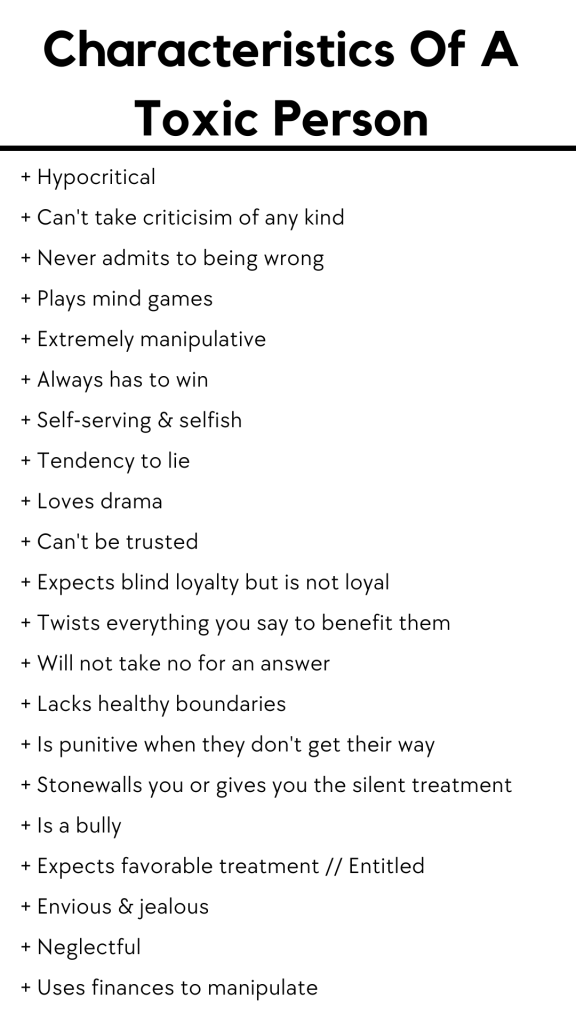
While many traits are listed above, this is certainly not all of them – these are just the most common. I saw the list below in a post on Instagram which indicates more specific qualities often seen in toxic individuals.
Final Thoughts
To reiterate, we all demonstrate toxic behaviors at some point in our lives and that is okay. We are only human. When we take the time to self-reflect and make an effort to become more aware of our own toxicity, we can better ourselves and be better to those around us. Most people do not want to hurt others and will give effort to better themselves so they don’t continue to hurt people in their lives. Unfortunately, there are people in the world who refuse to take responsibility for their own actions and behaviors and they don’t care if they hurt you. Sure, they may not necessarily “want” to hurt you, but they don’t care enough to make an effort not to. These people are unhealthy to have any type of close relationship with. They will make you feel unheard, unseen, and unimportant – just so they can feel heard, seen, and important. People can always change, but highly toxic people generally do not.
In addition, a person can be “toxic” to one person, but seemingly not to another. How? Well, it is actually quite simple. Individuals that they do not appear toxic to are the people they can continue to gain an advantage from. At their very core, toxic people are skilled manipulators lacking the ability to care for or truly empathize with another person. Every person in their lives are on puppet strings and they are the puppet master. They get a thrill of being able to take advantage of other people for whatever reason it may be. They love knowing they can control other people without them even noticing. They may even be able to show “empathy” in situations, but this is usually due to their observation of other people’s behavior. They learn how to fake empathy and are able to imitate what they have seen others do. Truly toxic people will be on their best behavior around those they can gain any advantage from – no matter how big or small that advantage may be. Once they can no longer gain anything from you, they will begin to treat you badly or just forget you exist all together – because your existence no longer serves them. Beware of these people and keep distance from them. Find people who truly care about you, who will not use you to their advantage, who will uplift you, and who want to see good things happen to you. Don’t waste anymore time on those who don’t.
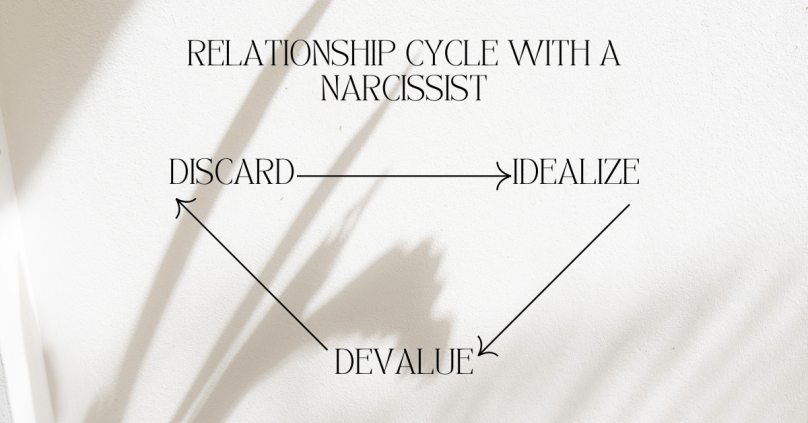
In my research and readings of narcissism, I learned there is a typical relationship cycle when dealing with a narcissist – idealize, devalue, and discard. This cycle is devastating to the narcissist’s partner and can quite literally destroy him or her on a mental and emotional level. It is also emotional and psychological abuse. Each phase includes a specific set behaviors which are all done in order to manipulate and extract narcissistic supply.
Idealize
The idealization phase is much like the “honeymoon” phase of any typical relationship. What sets this phase apart from a typical relationship is the level of intensity. In the beginning of a relationship with a narcissist, individuals may feel as if they have found their soulmate, often describing the love they have found as “otherworldly” – something they only could have imagined in their wildest dreams. The narcissist puts their partner on a pedestal, also referred to as “love bombing” – flooding you with compliments, “showing you off” to all their friends, wanting to spend excessive amounts of time together, and making promises of a future together. You will essentially feel like you are the most special person in their life. This phase can last from a few weeks to as much as a year. Then, the narcissist will begin chipping away at you – piece by piece.
Devalue
The “devalue” phase is exactly what it sounds like. Devaluing you, or throwing you off of the invisible pedestal they initially put you on. This typically begins happening when the relationship becomes comfortable and the narcissist begins to see that you are not “perfect”, that you are human and have flaws just like everyone else. It typically begins very slowly and covertly but builds with time – putting you down, gaslighting, withholding emotional or physical intimacy, disappearing from contact, projecting, and blaming you for anything that does not go his or her way. Again, this cycle typically begins very slowly and increases in frequency as the relationship continues. The narcissist will give his or her partner intermittent reinforcement throughout this phase which includes various “love bombing” behaviors from the idealization phase. The partner will often continue to stay in the relationship even as the frequency of devaluing behaviors increase for a few major reasons: 1.) the individual sees the “good” side of the narcissist, or the “potential” of a promising future, 2.) the narcissist has made the partner feel the need to “prove” his or her value and worthiness, and 3.) this cycle actually begins to rewire your brain – also known as “trauma bonding”.
Discard
The discard phase is when the narcissist ends the relationship. Typically, the discard will occur when the partner begins asking for compromise, reciprocity, honesty, and boundaries – all of which are reasonable and healthy relationship requests. When the relationship beings to require any effort on the narcissist’s end, he or she often decides the relationship has “expired”. Narcissists require excessive amounts of attention, whether that be positive or negative, to essentially “fill up” their ego tank. Relationship partners serve as a constant, stable source of supply. When the narcissist becomes bored of the main source of supply and can no longer get away with their negative behavior, that source of supply is no longer deemed “valuable”; therefore, the narcissist discards the relationship partner. The discard often occurs unexpectedly in an egregious form of emotional abuse. The partner is left appalled and bewildered, unable to understand how someone who he or she loved so much could throw their entire relationship away.
Once the discard has taken place, the narcissist may begin to “hoover” to maintain his or her narcissistic supply. This generally happens when the partner decides to end the relationship before the narcissist has the chance to discard; however, hoovering can occur months, even years, after the initial discard regardless of who initiated the discard. Sometimes, the discard happens in a way that leaves “hope” for the relationship in the eyes of the partner, which can essentially extend the discard phase much longer, leading to an even more malicious final discard.
The discard often includes triangulation with a new partner. The narcissist will be on the hunt for a new source of primary supply long before the relationship ends. Often, narcissists will be involved (talking to and/or physically engaging) with other women or men throughout the relationship, as this feeds their ego and serves as another source of supply. Sometimes, they may use one of these individuals as a main source of supply after the discard. Other times, they will begin hunting for a new primary supply once the current partner begins requesting effort, despite having other sources of secondary supply. After the discard, this new supply will become their main source; thus, “triangulating” the old partner.
When the old partner sees the narcissist with a new partner shortly after the discard, it causes an even greater sense of emotional turmoil. The old partner is left believing all the negative statements that the narcissist previously said or implied – you’re too sensitive, you’re a miserable person to be around, you have major character flaws, you always start an argument, you are exhausting to be with – how else could he or she have moved on so quickly? The previous partner will often ruminate on these overly harsh criticisms and may even begin to believe they are worthless and unlovable. This is extremely damaging and emotionally traumatic for the old partner, often leaving them depressed and full of anxiety. In the worst cases, victims will begin having suicidal thoughts or committing suicide because they feel so worthless and unlovable as a result of the abuse.
Final Comments
This type of relationship cycle is torturous. Many people who have not experienced this type of abuse would say physical abuse is “worse” but just because the damage is not visible does not mean it isn’t equally painful. Some may argue that you should have left sooner or tell you that you’re “stupid” for getting back together with your abuser. Yet, when you’re in the situation, it is extremely difficult to end the relationship and cut all forms of contact. You may be thinking well, why is it so hard when you’re being treated badly? The trauma bond formed early on in the relationship alters brain chemistry to function similarly to that of an addict. You being to crave those emotional “highs”, so you push through those “lows” to get that next “hit”. Of course there are other contributing factors, but I believe this one has the greatest impact.
If you feel you are experiencing emotional abuse, I recommend seeking therapy immediately. Do your research and find a therapist, psychologist, or counselor who is trained in emotional abuse recovery. If not properly trained and unaware of the patterns and characteristics of emotional abuse, he or she may do more harm than good.








 Main + Meg