the quality of being thankful; readiness to show appreciation for and to return kindness to someone.
Gratitude is often something we express to someone we feel indebted to or when we have benefited from their actions. We usually think of gratitude as a way to show someone our appreciation but we don’t usually think about what the practice of showing gratitude can do for us in return. Research has shown practicing gratitude has many benefits to your health.
Benefits of showing Gratitude
It can improve your physical health: those who practice gratitude regularly report fewer physical pains, regular exercise (endorphins), and overall general sense of health than those who don’t practice gratitude.
It can improve your mental health:those who engage in regular gratitude practices report a greater sense of overall happiness and reduced symptoms of depression.
It can increase empathy and lower aggression:those who regularly show gratitude are less likely to seek revenge on others and are more likely to demonstrate prosocial behaviors.
It can improve self-esteem:demonstrating appreciation to others will often make you feel more positive about yourself.
It can increase your mental and emotional strength:when you regularly show gratitude, it can improve your resilience and in turn, improving your ability to recover from traumatic situations more quickly.
I started practicing gratitude about 3 years ago + have noticed a tremendous difference in my overall happiness + positivity. I find it much easier to “look on the bright side” even when things don’t seem so bright. In my personal experience, practicing gratitude has had a significant positive impact on my life. While it took awhile to make this a consistent practice, I found that even doing an exercise once or twice a week was helpful. This also improved my ability to note things I’m grateful for when something stressful or unpleasant happens in the moment. I’m able to quickly think of something positive which reduces the impact of whatever negative emotion may arise from the situation.
12 Ways to Practice Gratitude:
There are many ways you can begin practicing gratitude – many can be implemented in routine activities you are already doing.
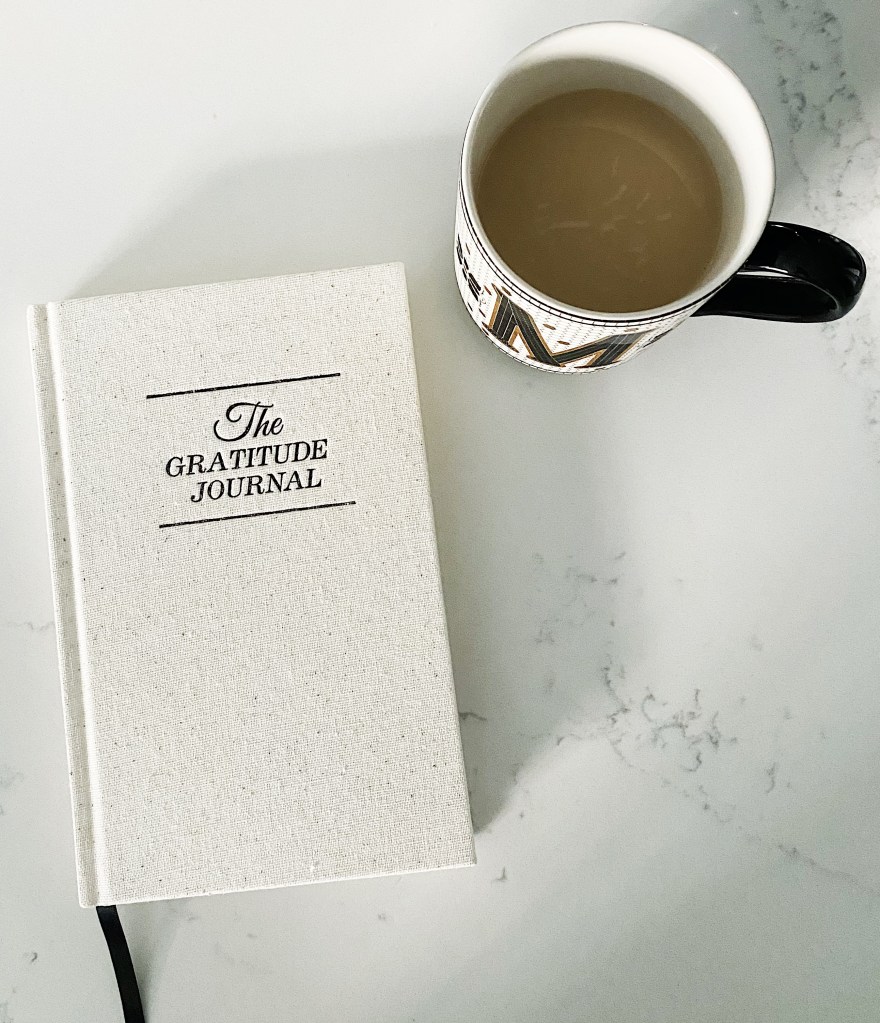
Journaling: simply list a few things or experiences you’re grateful for + why each day or week. You can purchase a gratitude journal – like mine (pictured + linked above).
Gratitude Prompts: fill-in-the-blank style. For example:
I am grateful for these 3 things I see:
I am grateful for these 3 things I hear:
I am grateful for these 3 animals :
I am grateful for these 3 friends:
I am grateful for these 3 yellow things:
Gratitude Walk: get in a little exercise + practice gratitude at them same time. As you’re walking, engage in mindfulness practices by observing everything you see, hear, smell, etc. Notice the colors you see, the sounds you hear, the smells of flowers or plants, the feeling of your feet touching the ground with each step, etc.
Gratitude Reflection: similar to a meditation practice, you can sit quietly + focus on your surroundings using your 5 senses. Mentally note something you’re grateful for that you can see, smell, hear, touch, + taste. Next, focus on the people in your life. Who are you grateful for + why? Then, focus on yourself. Think of all your unique traits that make you who you are. Which ones are you most grateful for? Last, focus on life in general. All that life is. All the experiences you have had in life. Which ones are you most grateful for?
Gratitude Letter or Note to a Loved One: you can write a handwritten letter + mail it or text a friend or family member. It can be a simple message like “Hey! I was thinking of you + our memories together. I just wanted to let you know I’m so grateful to have you in my life.”
Begin a Meal With Gratitude: say grace for having a good meal to eat.
During a Meal, Note Your Gratitude For: the flavors, the smell, the view you have while eating, etc.
Gratitude For Things We Often Take For Granted: air conditioning, electricity, shower or bath tub, washer + dryer, cell phones, GPS, a bed to sleep in, etc.
Put Things in Perspective: when something goes “wrong” or you are struggling with a situation, you can reduce the impact of negative feelings by asking yourself what can I learn from this, how can I benefit from this, what good can I take from this? More often than not, there is usually a silver lining. Find the positive, no matter how small it may be.
Ungrateful Thought: acknowledge something you feel ungrateful for. Then, transform it into something you’re grateful for. For example, ungrateful thought: my friend was harsh with me today for no reason. I know she has a lot going on but I don’t deserve to be spoken to that way. Grateful thought: My friend is always there for me when I need her. I’m thankful to have a friend like her.
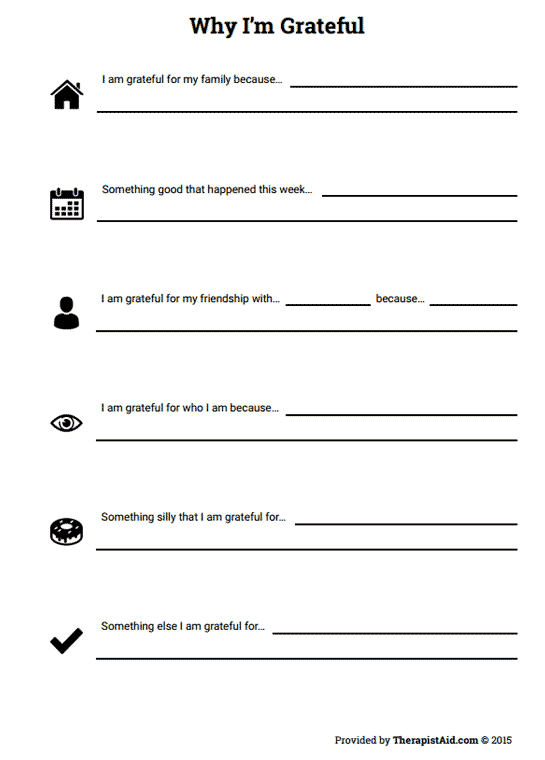
If you’re struggling to get started or looking for a quick + easy resource, check out this free printable worksheet below (linked)! This website has tons of great worksheets for various topics as well.
My inspiration for this post came from the links below!
Cognitive distortions are negative thinking patterns that are not based in fact and do not reflect reality. These patterns create an unrealistic – and usually negative – perception leading you to have negatively biased feelings about situations and events. Cognitive distortions are not a mental illness. In fact, it is completely normal to have the occasional cognitive distortion. However, if these thinking patterns are reinforced over time, then it can increase mental health issues including, but not limited to, anxiety and depression.
Luckily, you can change your thinking patterns to improve your mental well-being! Before we talk about how to change these patterns, let’s dive into some of the most common cognitive distortions. For the sake of being thorough, I have included examples on both the negative and positive ends of the spectrum.
The Twelve Most Common Cognitive Distortions
All-or-Nothing Thinking
Overgeneralization
Mental Filter
Discounting The Facts – Positive + Negative
Jumping to Conclusions – Mind-Reading + Fortune-Telling
Magnification + Minimization
Emotional Reasoning
“Should” Statements
Labeling
Blame
Personalization
Catastrophic Thinking
All-Or-Nothing Thinking
All-or-nothing thinking is when a person habitually thinks in extremes without considering all the facts of the situation. This is also called “black-and-white” thinking – shades of grey do not exist.
For example: When you fail, you may tell yourself you are a total failure. Or when you succeed, you tell yourself that you’re a winner and you’re the best there is.
Overgeneralizing
Overgeneralizing is when a person reaches a conclusion about one event and applies that conclusion to all subsequent events – thinking one negative (or positive) event will be a never-ending series of negative (or positive) events.
For example: When you are rejected by someone you like, you tell yourself you are unlovable and will be alone forever. Or when you overcome a negative event and things are going well again, you may tell yourself that all problems are solved, you will never face another problem again, and will be happy forevermore.
Mental Filtering
Mental filtering is when a person ignores all positives and only focuses on the negatives, or vice versa.
For example: When you go to work with a new haircut, you might have 10 people comment and tell you how great your new style looks. But the 11th person asks you why you changed your style or says he//she liked your hair better before, so you focus on the one negative comment and wear a hat to work until it grows back. Or when you go out to dinner with a friend, you tell yourself you will feel so much better after having a drink, completely ignoring the fact you typically drink too much and end up with a hangover the next day.
Discounting The facts
Discounting the facts is very similar to mental filtering. The difference is that instead of dismissing or ignoring the positives or negatives as a person with a mental filter would, you explain the positives or negatives away as if they “don’t count” to maintain universally negative or positive thoughts.
For example – discounting the positive: When a person gives you a genuine compliment, you tell yourself they are only saying that to make you feel good. Or – discounting the negative: When you get into an argument with someone, you become defensive and insist the other person is wrong dismissing their concern completely without seeing their perspective regarding the situation at hand.
Jumping to Conclusions
Jumping to conclusions is when you reach a conclusion that is not supported by the facts. There are two common forms: Mind-Reading and Fortune-Telling.
Mind-Reading
Mind-reading is when you assume you know how others are thinking or feeling. Try to avoid getting this confused with empathy – the ability to perceive or understand what someone may be feeling. If you need help distinguishing between the two, consider all of the facts of the situation. Avoid focusing on the facts that would only confirm your suspicions.
For example: When you’re at a party and you don’t know many people there, you start to feel shy and withdrawn, telling yourself others would look down on you if they knew you felt shy. Or when you’re in a relationship with someone, you tell yourself that everything is going great while the other person is actually frustrated or unhappy with you.
FORTUNE-TELLing
Fortune-telling is when a person predicts the way a future event will take place.
For example: When you are depressed, you may tell yourself you will never feel better and will never be happy again. Or when you go out to dinner, you may tell yourself you will just have one drink and everything will be fine, while you know you have never stopped after one drink in the past and more often than not, things do not turn out fine.
magnification + minimization
Magnification and minimization occurs when you either blow things out of proportion or significantly reduce their importance.
For example – magnification: When you are procrastinating, you think of everything you need to do and tell yourself how daunting each task will be. Or when you’re trying to eat healthier, you see the ice cream in your freezer and tell yourself how delicious it will be.
For example – minimization: When you’re procrastinating, you tell yourself that your efforts today won’t make any difference tomorrow so you might as well wait another day. Or when you see the ice cream in your freezer, you debate whether or not it will actually be good enough to give in to the urge.
Emotional Reasoning
Emotional reasoning is when you reason from your feelings versus the facts. In reality, your feelings are a direct result of your thoughts and not from what is actually happening. If your thoughts are distorted, then your feelings will be misleading as well.
For example: When you procrastinate, you tell yourself “I’ll complete my report when I’m in a better mood – I just don’t feel like it right now.” The time never comes and you miss the deadline so you tell yourself, “I feel useless so I must be useless.” Or when you meet someone really attractive, you may feel so happy and excited that you think he or she must be the person of your dreams.
Emotional reasoning is tricky because it is important to validate your emotions about a situation or event. However, when it comes to judging your reality, you must stay focused and rooted in the actual evidence.
“Should” Statements
“Should” statements can be self-directed, other-directed, or world-directed. These statements occur when a person believes something “should have” happened a certain way or that the person (or someone else) “should have” done something that they didn’t or are unable to do.
For example – self-directed: When you make a mistake, you tell yourself “you shouldn’t have made such a stupid mistake.” Or when you’ve had a tough day, you tell yourself “I’ve had a stressful day and I should have a drink.” – all the while, knowing that is not the best choice for you to make.
Labeling
Labeling is when you label yourself or someone else in a particular way after an event. It is an extreme form of overgeneralization.
For example: When you’re not getting along with someone, you label them as an incompetent loser. Or when you do well, you may tell yourself you are special and a winner. As a side note, this is often used as a motivational strategy by coaches and motivational speakers – but in reality, no one wins or loses all the time.
BLAME
Blaming occurs when you find fault with yourself (self-blame) or others (other-blame).
For example – self-blame: When you’re depressed, you may beat yourself up over all of your mistakes and shortcomings instead of using your energy to come up with solutions to your problems. Or – other-blame: When you have a conflict with someone, you tell yourself the other person is to blame for everything and that you are the victim and completely overlook your own role in the issue.
Personalization
Personalization is when you take things personally, but in reality, they are not connected to you in any way at all.
For example: When you get a note from your child’s teacher at school stating he or she isn’t doing well, you blame yourself for not being a good mother. Or when you see one of your friends has posted a story on a social media platform and he or she is out without you, you assume he or she doesn’t really like you and intentionally left you out.
Catastrophic Thinking
Catastrophic thinking occurs when a person assumes the worst in a situation where the outcome is unknown and there is lack of evidence to support his or her prediction. When people engage in catastrophic thinking, a typical worry can escalate and create an unnecessary amount of anxiety.
For example: When you call your mom, she doesn’t answer. You try calling again – no answer. You try again and still no response. Then, you begin to think she has been in a tragic accident and you will never see her again. When in reality, she was taking a nap and her phone was on silent.
It is important to note this doesn’t mean a person is “overreacting” – people who have experienced repeated and//or ongoing traumatic events are more likely to fear the worst outcome in many circumstances.
Challenging Cognitive Distortions
Now that we know the most common cognitive distortions, let’s discuss how we can change these thought patterns when they pop up.
Identify the thought
Reframe the thought
Perform a cost-benefit analysis
Perform a behavior-chain analysis
Consider why you may feel and think this way
Consider therapy // Cognitive Behavioral Therapy
Identify the thought
When you notice yourself engaging in negative thinking, take a few minutes to analyze your thought process that led to your conclusion. Is there evidence supporting this thought? Is this conclusion rooted in feelings or facts? Do you have biases that would influence this thinking?
Reframe the thought
“Try on a different pair of lenses” and approach the situation from a different perspective. Look for alternative explanations, objective evidence, and positive considerations. It might be helpful to write down your initial thought along with several other alternatives.
Perform a cost-benefit analysis
More often than not, people will repeat behaviors and patterns that will deliver a benefit to some degree. Ask yourself tough questions. For example, how have these thought patterns helped me cope in the past? Do I gain a sense of control by engaging in these thoughts when I would otherwise feel powerless? Do these thoughts allow me to avoid taking a risk? Or do they allow me to escape accountability?
You can also start by weighing out the pros and cons of your thought processes – what do you gain and what do you lose by these thoughts?
Perform a behavior-chain analysis
A behavior-chain analysis is a 5-step process allowing you to identify what contributed to your thoughts. Here is a basic outline:
What are you feeling?
What events led up to this?
What vulnerability factors could be contributing to this? Lack of food? Lack of sleep? Substance misuse or abuse?
What thoughts are you thinking? Write them down and see if you notice any cognitive distortions.
Use logical solutions to navigate through your thoughts to transform them into a more positive way of looking at the situation.
Consider why you may think or feel this way
Think about the conclusion you made and how you got to that point. Determine if any preconceptions may have influenced how you came to this conclusion.
CBT is a form of talk therapy that teaches you to identify, interrupt, and change unhelpful and unhealthy thinking patterns.
If you’re looking for a therapist, you can go to psychologytoday.com to search for a local therapist who is properly trained and accepts your insurance.
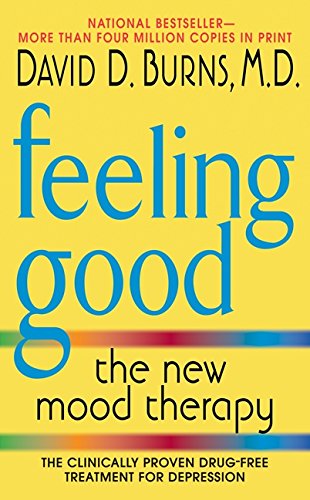
If you aren’t interested in talking with a therapist, I highly recommend reading the book Feeling Good: The New Mood Therapy by Dr. David Burns. I have read this book cover to cover and it truly changed my life for the better. If someone ever asks me for advice, I recommend this book every single time!
If you have any other helpful tips or suggestions, leave a comment!
is a dialectal behavioral therapy skill (DBT) used to improve emotional regulation and combat vulnerability to emotional crisis. DBT was developed by Marsha Linehan, a psychologist and an author. The basis of this skill is taking care of ourselves first so we are able to take care of others in order to build emotional resilience. While this strategy was created to improve emotional regulation skills, this acronym is great for anyone and everyone to use.
A is for ACCUMULATE POSITIVE EMOTIONS AND EXPERIENCES
Life is like a roller coaster. Everyone will have positive and negative experiences. Similar to a monetary savings account, we can build a positive emotion and experience “savings account” to help us recover more quickly from negative ones. It’s important to have both short-term and long-term positive experiences to have an effective “savings account”.
SHORT-TERM EXPERIENCES are activities that we enjoy and can do regularly such as calling a friend or family member, petting our dog, or playing a game with our family. While these things can be done occasionally, the effects wear off quickly. Ideally, we want to do at least one thing daily that will build our “savings account” overtime.
Ideas for High-Energy Short-Term Experiences:
Go for a walk
Clean the house
Organize a drawer or room in your house
Play with a pet
Garden
Explore a new place
Ideas for Low-Energy Short-Term Experiences:
Journal
Do a craft
Read a book
Look through photos
Plan meals for the week
Call or text a friend
LONG-TERM EXPERIENCES are positive experiences that will be more meaningful and will have lasting positive effects. These activities help you create a more meaningful life and will depend on what you value in life.
In order to build long-term positive experiences, consider your values and priorities. Create long-term goals based off the values and priorities you identified. Then, take small steps to achieve your long-term goals by setting short-term goals. Creating smaller goals will give you small steps to focus on daily and will make those long-term goals seem more manageable. Pay attention to your relationships, as our relationships with others heavily influence our overall happiness. Plan time to nurture the relationships you already have and look to build new relationships with others. Avoid giving up – don’t procrastinate dealing with tough emotions or experiences. “Take the bull by the horns” so you can get back to focusing on building the positive experiences without a negative one hanging over your head.
B is for BUILD MASTERY
We build mastery by doing activities that make us feel confident and competent. This can be anything from showering or doing the laundry to practicing an activity you want to become better at. These activities are the ones that make you feel good when you cross them off your to-do list. Try to incorporate one activity that builds mastery each day so the next time a stressful situation arises, you will have an activity to focus on that can assist in alleviating negative or unwanted emotions.
C is for COPE AHEAD OF TIME
Build a plan ahead of time for coping with difficult situations. Just like you would plan for a trip, plan for emotionally distressing situations. When you have a tool box of strategies to pull from, you will be able to recover more quickly from negative experiences. One great strategy is to mentally visualize yourself handling a distressing situation well. You will be more likely to handle it well when you have already visualized it in your mind. You can even create a “self-care” or “coping strategies” tool box. For example, add your favorite candle, bubble wrap or a stress ball, favorite inspirational quotes, and fidget toys to a box you can easily access when a distressing situation arises.
PL is for TREAT PHYSICAL ILLNESS
When we aren’t feeling our best, we are more likely to be emotionally vulnerable and thus, becoming vulnerable to unhealthy coping mechanisms. In order to combat these negative experiences before they arise, we want to treat physical illnesses immediately. If you begin to feel sick, make a doctors appointment. If you’re prescribed daily medications, take those around the same time each day. Be proactive now to avoid being reactive later.
E is forEAT BALANCED MEALS
Eating balanced meals is important to give you sustained energy throughout the day. Make sure to eat three meals daily and try to include protein and vegetables to each meal. Another strategy that works for me is always having a couple of snacks in my bag. I keep Clif bars with me at all times because they always give me a boost of energy if needed.
A is for AVOID MOOD-ALTERING SUBSTANCES
People use mood-altering substances typically because they make us feel good in the short-term. However, in the long-term, these substances have the opposite effect. Alcohol and other substances impede our judgement. We become more likely to make decisions we wouldn’t normally make if we were sober. This can lead to a plethora of negative emotions. Additionally, when used frequently, they can change our brain’s functioning. If we want to build long-term happiness, it’s best practice to avoid mood-altering substances all together. Now this isn’t to say you should never have a drink – there’s absolutely nothing wrong with that. But it’s important to avoid over-indulgence. Become aware of your own limits and stay within those limits to avoid negative experiences and unwanted consequences.
S is for GET BALANCED + ADEQUATE SLEEP
Maintaining a good sleep schedule is imperative to our daily functioning and overall health. It is recommended we get 8 hours of sleep each night; however, everyone is different. Some people can function well on 6 hours while others may need up to 10 hours. Listen to your body and adjust your sleep schedule accordingly. Creating a “wind down routine” is a great way to start building a better sleep schedule that you can look forward to at the end of each day.
E is for GET EXERCISE
Exercise is great for not only our physical health, but also our mental health. When we exercise, our body releases endorphins, a natural anti-depressant. Getting regular exercise – 20 to 30 minutes 3 times per week – is a great way to combat negative emotions and experiences. You don’t have to sign up for a gym membership to get regular exercise. Going for a walk or simply stretching in the comfort of your own home will give you the same results.
PRACTICE these skills each day to build emotional resilience, improve emotional regulation skills, and keep you at your best self. Life is hard for everyone. Make time to take care of yourself so you can feel your best and be at your best. A bonus: you will feel more confident being YOU!
To learn more about ABC PLEASE, check out the links here, here, and here.
Will you be implementing ABC PLEASE skills into your life? What are your favorite coping strategies for distressing situations? Comment below!
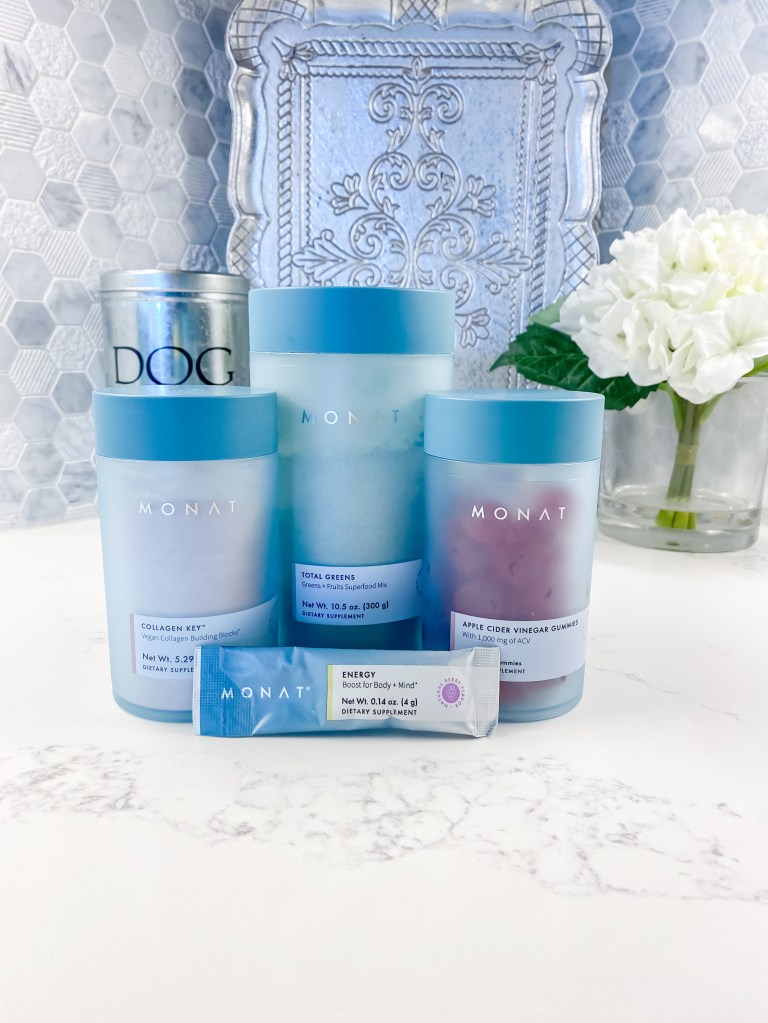
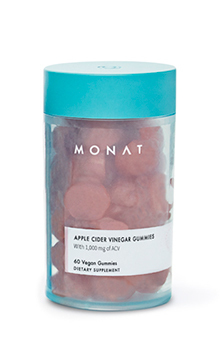
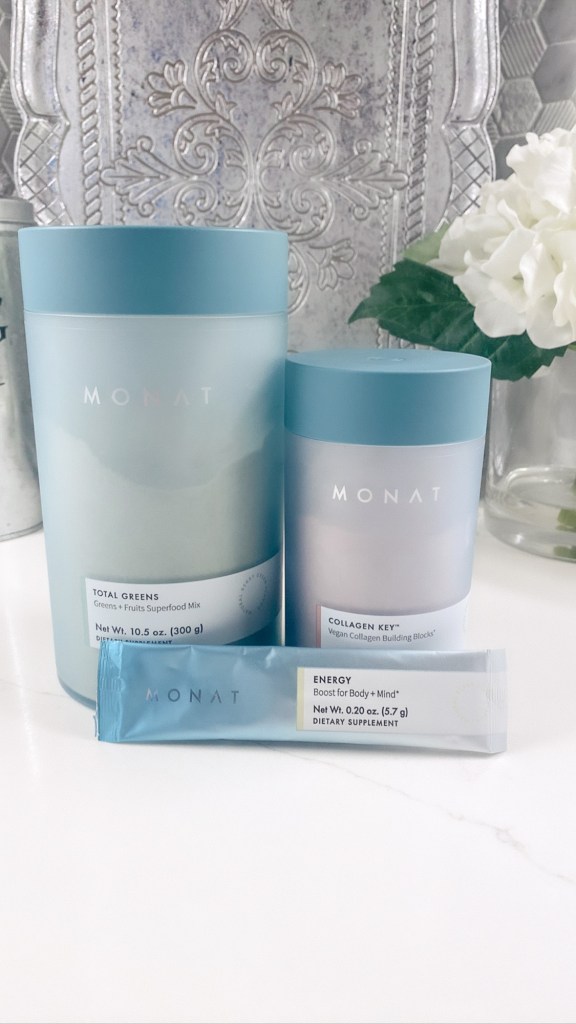
We have 8 wellness products to choose from targeting different areas of wellness. I have 4 favorites I use daily including our Total Greens, Collagen Key, Energy, + Apple Cider Vinegar Gummies.
Total Greens is great for those who don’t get their daily dose of veggies. Collagen Key supports and improves the production of collagen. Our Energy is a healthier alternative to coffee, giving you the boost you need to start your day without the crash later. Apple Cider Vinegar Gummies also improve energy + support overall wellness.
MY DAILY WELLNESS LINE UP:
Total Greens
Collagen Key
Energy
ACV Gummies
I typically make a little wellness cocktail by mixing Total Greens, Collagen Key, + Energy with water first thing in the morning. Then, I take my ACV Gummies afterwards! It is the perfect way to start my morning off right!
To check out all of our wellness products, click here! If you’re interested in trying one of our wellness products, leave a comment below!
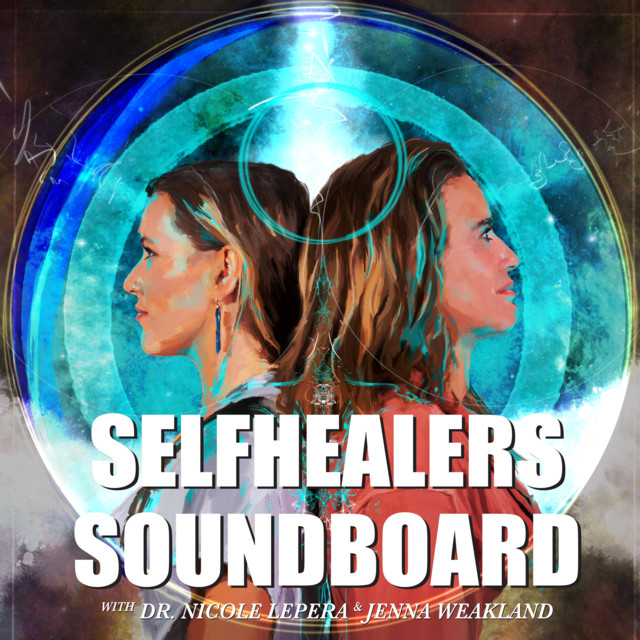
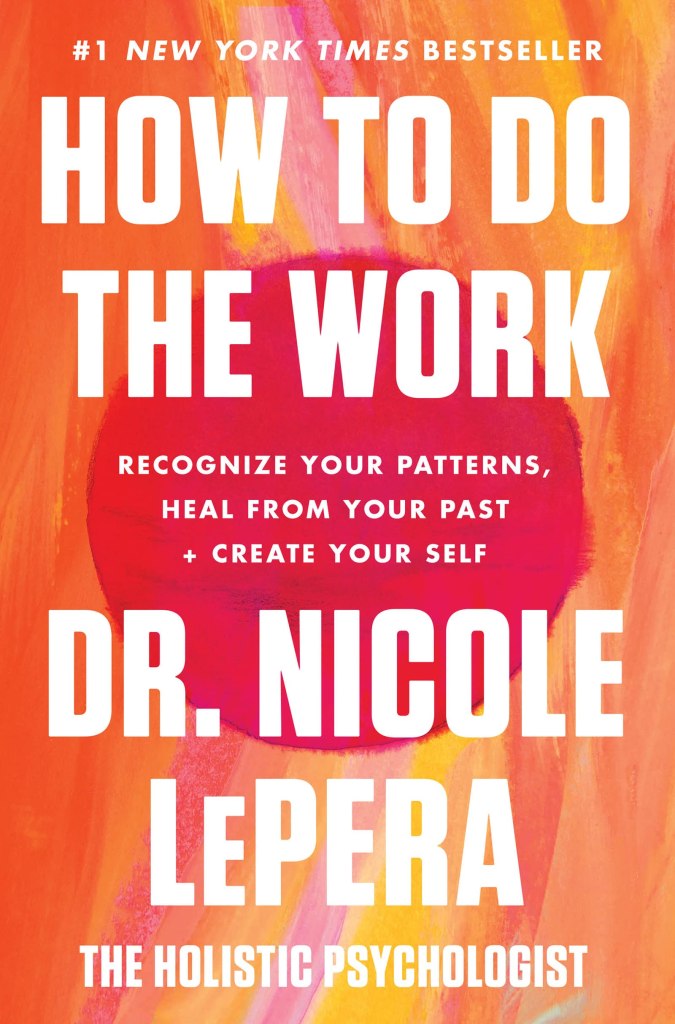
Currently, I’ve been listening to the SelfHealers SoundBoard podcast. Dr. Nicole LePera dives into her book How To Do The Work, released in March 2021. I just completed this podcast series and wow, just WOW!!!It was incredibly insightful and really helped me identify and understand my core triggers – wayyy back from childhood. I’m really looking forward to listening to her other podcast episodes unrelated to the book series.
Dr. LePera takes a holistic approach versus traditional psychotherapy. Her method unites mental, physical, and spiritual wellness to create an interdisciplinary approach to healing. Personally, I have found her work more helpful to my personal experiences than others. Not to say other readings + podcasts haven’t been helpful, but her approach has definitely been the most useful overall for me.
I had her book on my Amazon wishlist for awhile and finally bought it. I haven’t began reading yet but will keep you all updated once I get started. Her new book, How To Meet Yourself, will be released December 6th.
Links to her podcast, book, website, + instagram are linked below!
I have put together a list of my must reads for anyone interested in improving their mental health. I will continue adding to this list so make sure to check back all along!
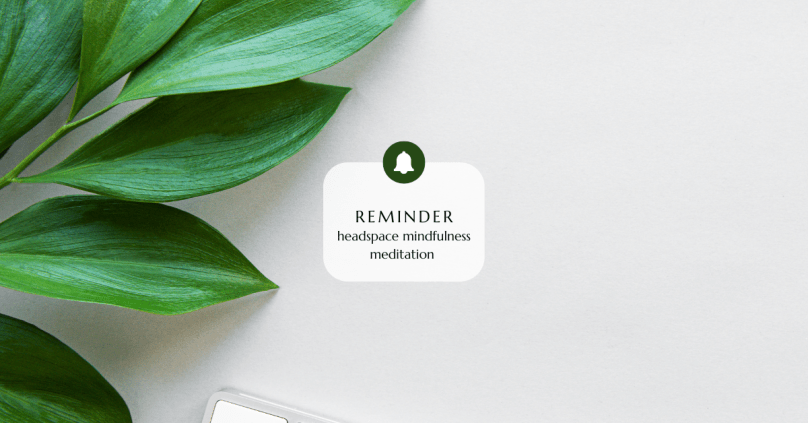
Headspace is the perfect app for guided meditations. It has a plethora of resources including options for sleeping, moving your body, focusing, and general meditating. Additionally, it pulls choices from the library for a “start your day”, “afternoon lift”, and an “at night” section on the home page. You can log your progress regarding reducing stress and anxiety management in the app every 2 weeks as well. One caveat is you have to buy the annual subscription of $70.
Years ago, someone told me about this app and I considered it. At the time, however, I was unwilling to spend $70 on an app I felt certain I wouldn’t use. With that being said, I have struggled with my ability to fall asleep for years. I have tried everything from essential oils, medication, melatonin, Benadryl, literally everything you can possibly think of. My struggle to fall asleep has negatively impacted my daily life as you can probably imagine. I was desperate to find something that worked for me. One day I was scrolling through my instagram feed and noticed an ad for Headspace. I had forgotten all about this app until that day. I figured I might as well give it a try since nothing else had worked well for me.
I began my 7-day free trial and chose the sleepcasts option which are essentially calming visualization stories narrated by someone soft-spoken with peaceful sounds in the background. The narrators all go through guided wind-downs with you prior to beginning the stories. The wind-downs range from breathing exercises, “noting”, or visualizing. I was SO amazed by how quickly I was able to fall asleep!!! I normally lay for hours before I am finally able to drift off to sleep. With headspace, I have been able to fall asleep within 15 minutes most nights.
Since I was enjoying the sleepcasts so much, I began using other features within the app. Each option I have tried has been so helpful in keeping me grounded throughout the day. I often use the afternoon lifts on my lunch break or while I’m in the car traveling from one work location to another. I can’t recommend this app enough. It is truly the best $70 I have ever spent.
There are many free apps out there with similar features and functions. I recommend looking through the App Store prior to spending money on Headspace. You may be able to find something that works for you free of charge. I personally tried several other apps first but didn’t find what I was looking for. In my opinion, Headspace is the easiest to use and the quality of content is significantly better than others I tried.
Feel free to share your favorite meditation apps in the comments!
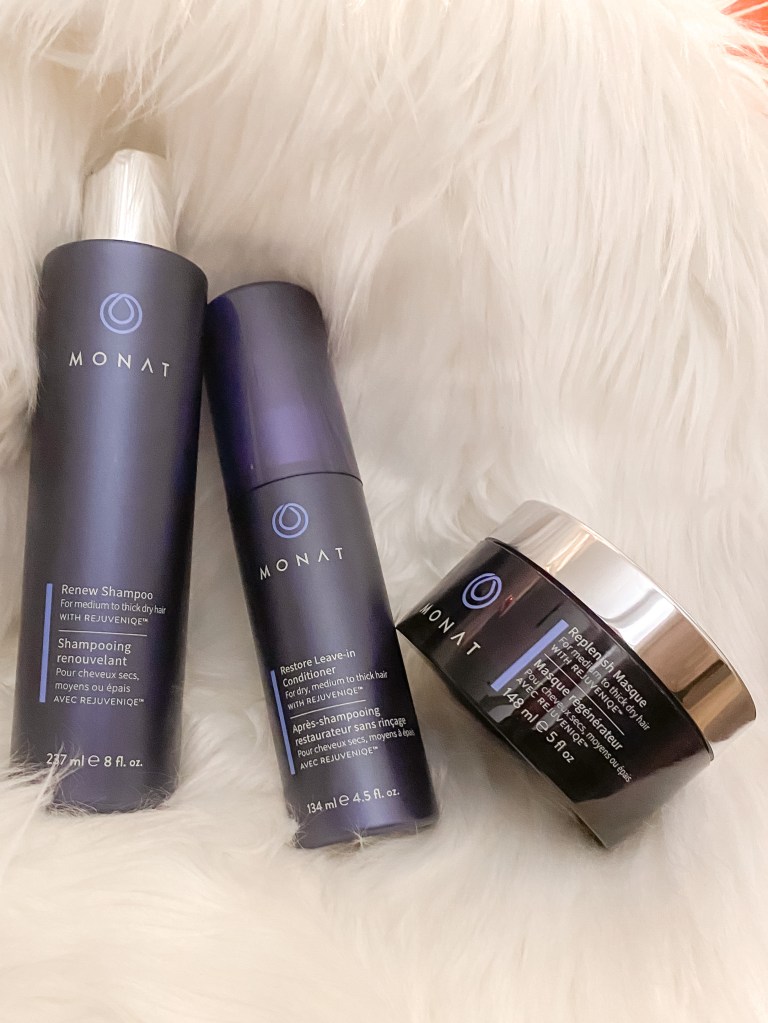
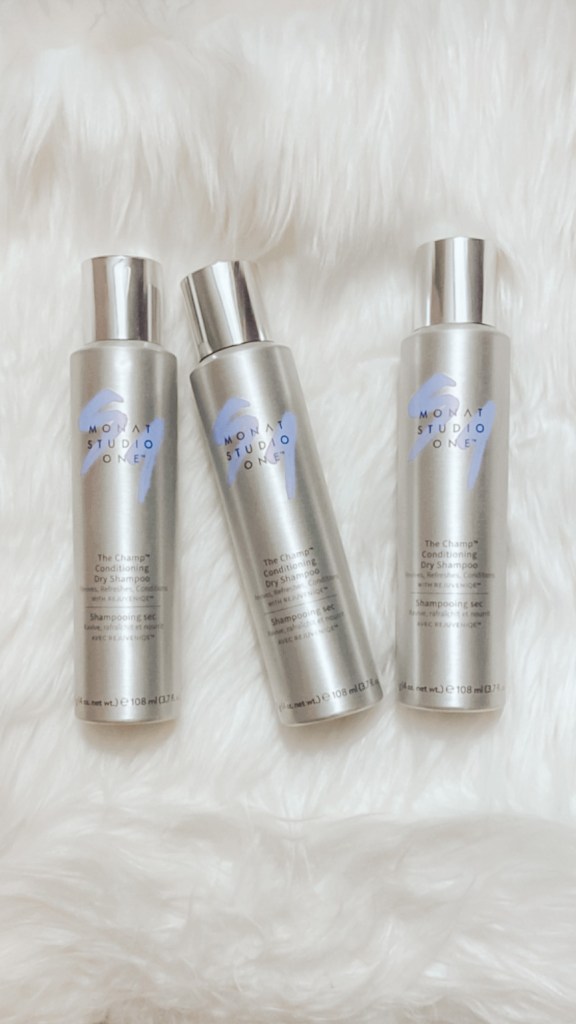
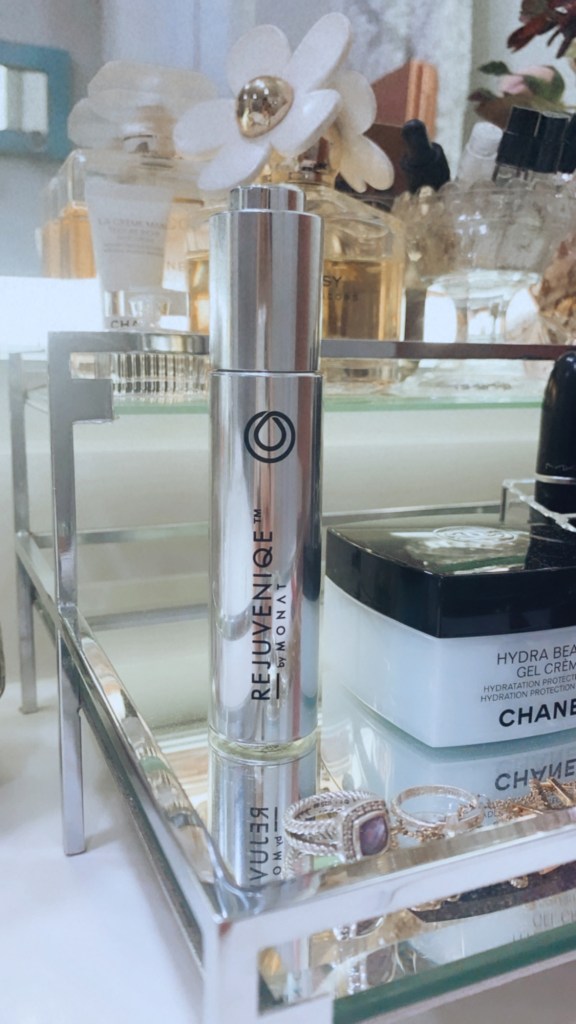
I wanted to share something I’m really excited about with you all! If you frequent this blog, you know that over the last year or so, I’ve really been focusing on mental health and wellness from the inside out. During this journey, I started paying attention to the products and ingredients I was using for hair, skin, bath + body, and makeup. I learned a lot about how our health is affected by the personal care products that we use daily. I discovered a vegan, anti-aging hair care brand called Monat and a clean beauty brand called Beautycounter. After trying the products from both companies, I noticed an almost immediate change in my hair and skin, so I decided to partner with the brands as an advocate and educator!
To give you the backstory, I began by looking at the ingredients on my hair products. I was using great, salon-purchased products but continued to have issues with an oily scalp. In addition, I have naturally fine, thin hair and was using tape-in extensions to give me volume and thickness. They require re-application every 6-8 weeks. At first, I didn’t mind because the extensions got the job done. But after awhile, the maintenance grew frustrating. A good friend of mine had been using Monat products, as she was suffering from hair loss due to stress. She introduced me to Monat in October 2020. I decided to join as a market partner so that I could try a ton of different products and see what worked best for me. Initially, I had no intention of sharing about the products to those outside of my close circle; however, I have become OBSESSED!!! Not just with hair care, but also the wellness products.
After using Monat products exclusively for 6 months, I can attest how amazing they truly are. I can now go 2 full days without an oily scalp; whereas before, I could only go about 12 hours before my scalp became excessively oily. Not to mention, my skin has improved tremendously. I have suffered from breakouts and discoloration from sun exposure and skin-picking. Now, I only have the occasional hormonal breakout and my dark spots are improving day by day. And as an additional bonus, I fell in love with the wellness products. I’ve tried many different wellness supplements in the past but never actually enjoyed the way they tasted. Many even made my stomach ache. These wellness products actually taste incredible and don’t give me stomach pains.
Fast forward a few months, I began working in-office full time again (post-COVID) in March 2021. I am still required to wear a mask while with clients and I began noticing a case of “maskne” in areas I have never had breakouts before – specifically along my jawline. Since I have to wear a mask, I decided to look at the ingredients in my makeup and see if that could be a contributing factor as well. Coincidently enough, the very next week, one of my client’s parents asked me if I had ever heard about Beautycounter – which was the makeup brand I had been looking into for the last week. I told her I had just been looking into trying Beautycounter. She gave me several full-sized products to try for a week. I used the products, including the acne line, Countercontrol, as my skincare routine. The results were almost instantaneous. When she followed up with me, she asked me if I wanted to join as a consultant. Since I love the products and am super into all of the clean beauty things, I said yes!
It has been 8 months since I began using Monat exclusively and 2 months since I began using Beautycounter exclusively. I am truly amazed at my results so I wanted to share my story here for those who may be interested in trying products by either brand.
Check out the products below!
My blog’s main focus has been primarily on mental health, but I will begin including beauty product related posts as well. If you stumble along this post and have any questions about either company or any of their products, I’m more than happy to answer! If you’re interested in trying Monat or Beautycounter, I’d love to help you find the right products for your concerns. I can send samples or set you up with full-sized products.
As a side note, I have also decided to broaden my horizons and include other topics outside of beauty & mental health. Stay tuned!









 Main + Meg