Self Tanner - Beach

Self-Tanning 101 || Tips to Achieve the Perfect Glow

A few years ago, I was trying to find the best self-tanner for my skin. I had been to the dermatologist and had to have a couple of areas biopsied. Skin cancer runs in my family and after years of never using sun screen and going to the tanning bed once a day, I decided it was time to cool it with the fake-baking and careless sun-bathing. Well, I’m naturally very pale so I tried every self-tanning brand under the sun and was not satisfied with the color. I had so much trouble finding one that would actually give me the deep tan I was looking for. Then, I realized my application process could be a big contributor as to why I was unhappy with my self-tan. I did some research and found the following tips to be the most helpful:

BEFORE TANNING:

  1. shave + exfoliate // use a scrub 24 hours prior to application: shaving and exfoliating immediately before application can leave you with those little “dots” all over your skin as a result of your pores and hair follicles not having enough time to close back up. remove all dead skin, hair, and old self-tanner from your last application 24 hours before re-application. if you haven’t shaved in a few days and you need to tan now, go ahead and apply but wait at least 24 hours after application to shave.
  2. apply self-tanner to squeaky clean skin: your skin needs to be as clean as possible so the tanner adheres to your skin instead of build up of dirt, oil, dead skin cells, etc. this will keep your tan looking even in the days after application.
  3. use moisturizer on dry areas such as elbows, knees, ankles: self-tanner sticks to these areas because they are naturally dry. use self-tanner sparingly on these areas. I like to use a small, fluffy makeup brush to minimize the risk of applying too much product leaving you with excessively dark ankles, knees, and elbows.
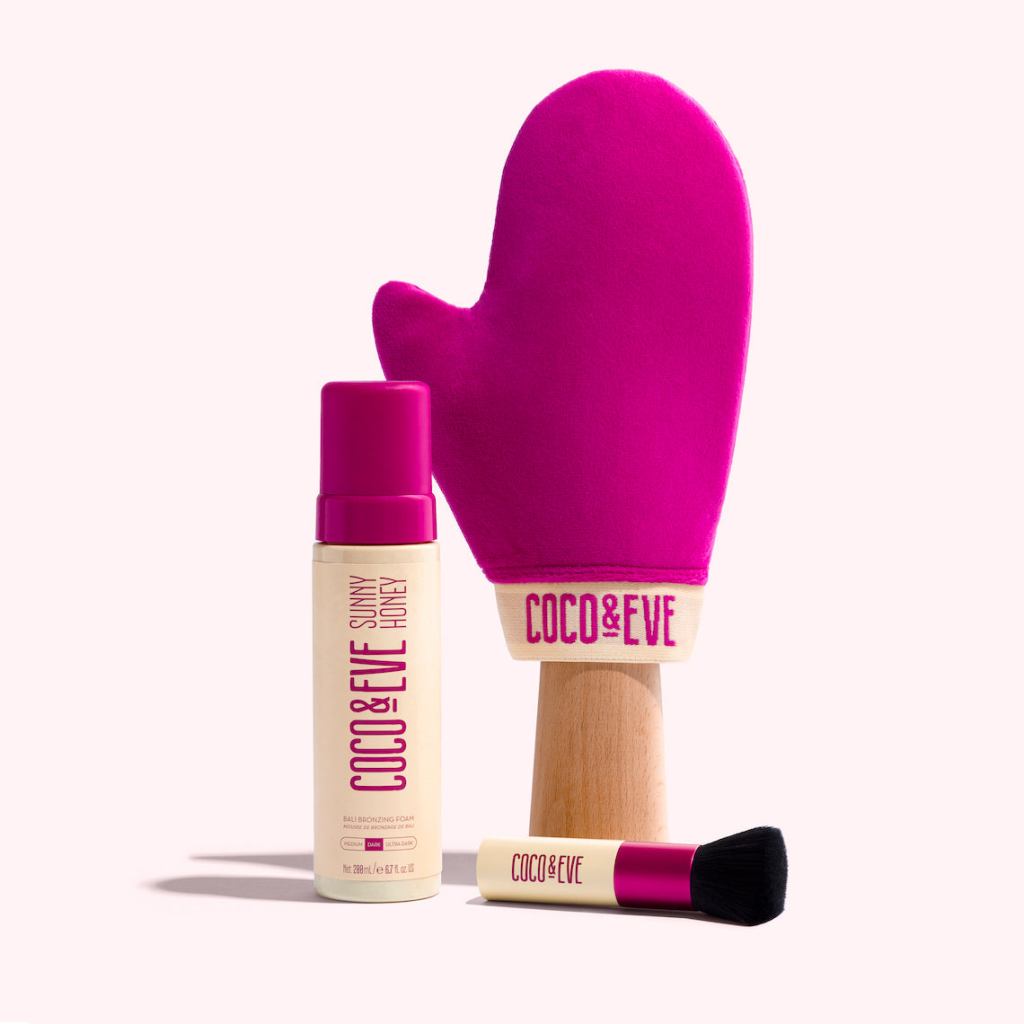
  4. never use bare hands: just don’t do it. your hands will absorb a lot of product, leaving them looking orange. not to mention, the chances of your self-tanner application being streaky are almost guaranteed. use an application mitt each time (and wash the mitt after each use).
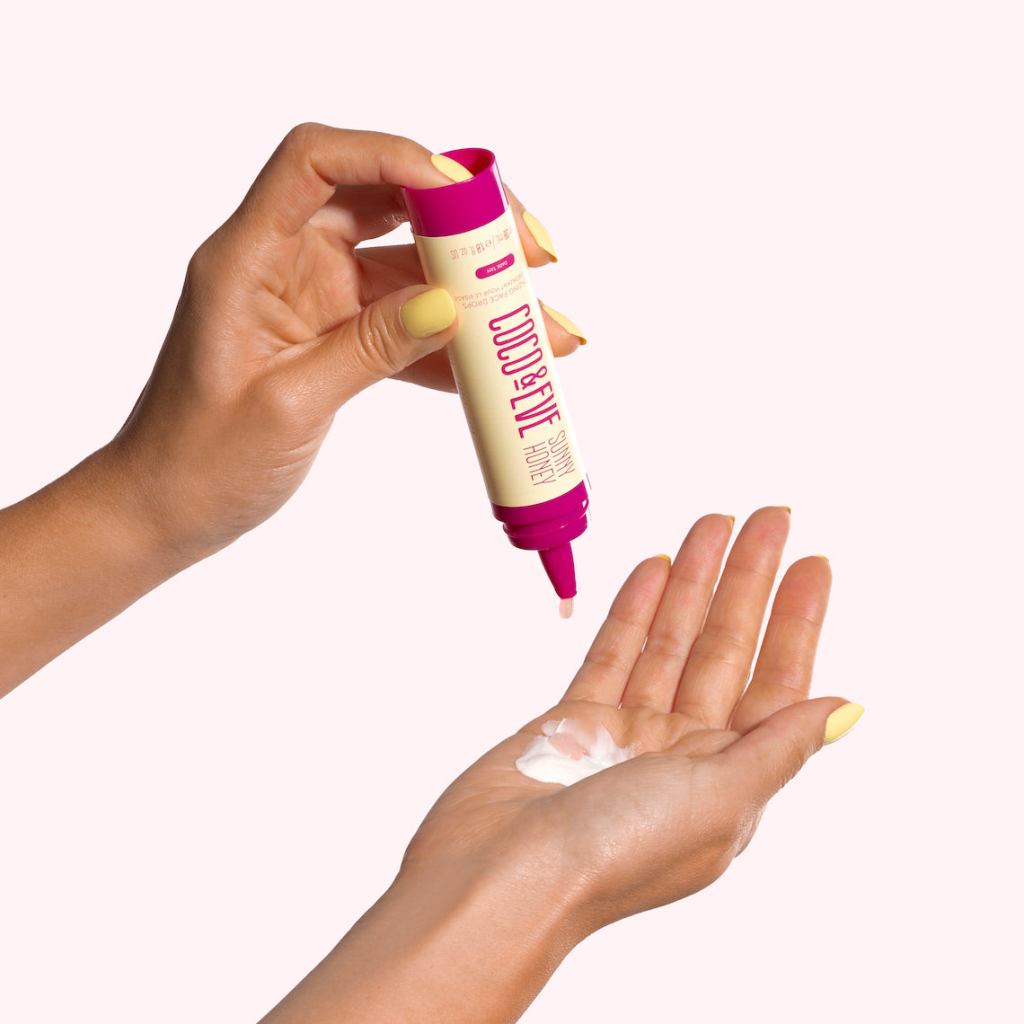
  5. take your time: to avoid missing any areas, go slow moving from your feet up to your neck // face. you want to apply by moving your mitt in small circles. this will ensure even application and reduce likelihood of missing a spot. I also invested in a back applicator mitt from coco & eve to avoid missing any areas on my back.
  6. ensure tan is totally dry before putting on clothes: I wait at least 10 minutes after application; then, I use a hair dryer on the cool setting all over my body to make sure the tanner is dry before putting on my clothes. I usually put on an old, giant tee shirt and loose-fitting shorts afterwards to avoid staining any of my favorite clothing.

AFTER TANNING:

  1. rinsing: if you want a really deep tan, wait 8+ hours to rinse. I usually wait as long as I possibly can to get that richer, deeper tan I love.
  2. hydrate your skin: moisturize your skin daily in order to prolong your tan and keep it looking even as it begins to fade.

OTHER TIPS:

  1. un-tinted is a no go: I don’t recommend un-tinted formulas, as you can’t see where you have applied which can result in an uneven application.
  2. facial tanner: I prefer using facial tanning oil instead of self-tanning mousse. I add 3-4 drops in with my moisturizer. it’s best to re-apply facial tanning oil every 2-3 days.
  3. skin care products to avoid: avoid retinol, AHAs, BHAs, and facial oils when using self-tanner. these products increase the rate of skin-cell turnover resulting in an uneven tan.
  4. skin care products to use: use hyaluronic acid, SPF, and vitamin c serums to keep your skin hydrated. this will prevent an uneven tan as self-tanner begins to fade.

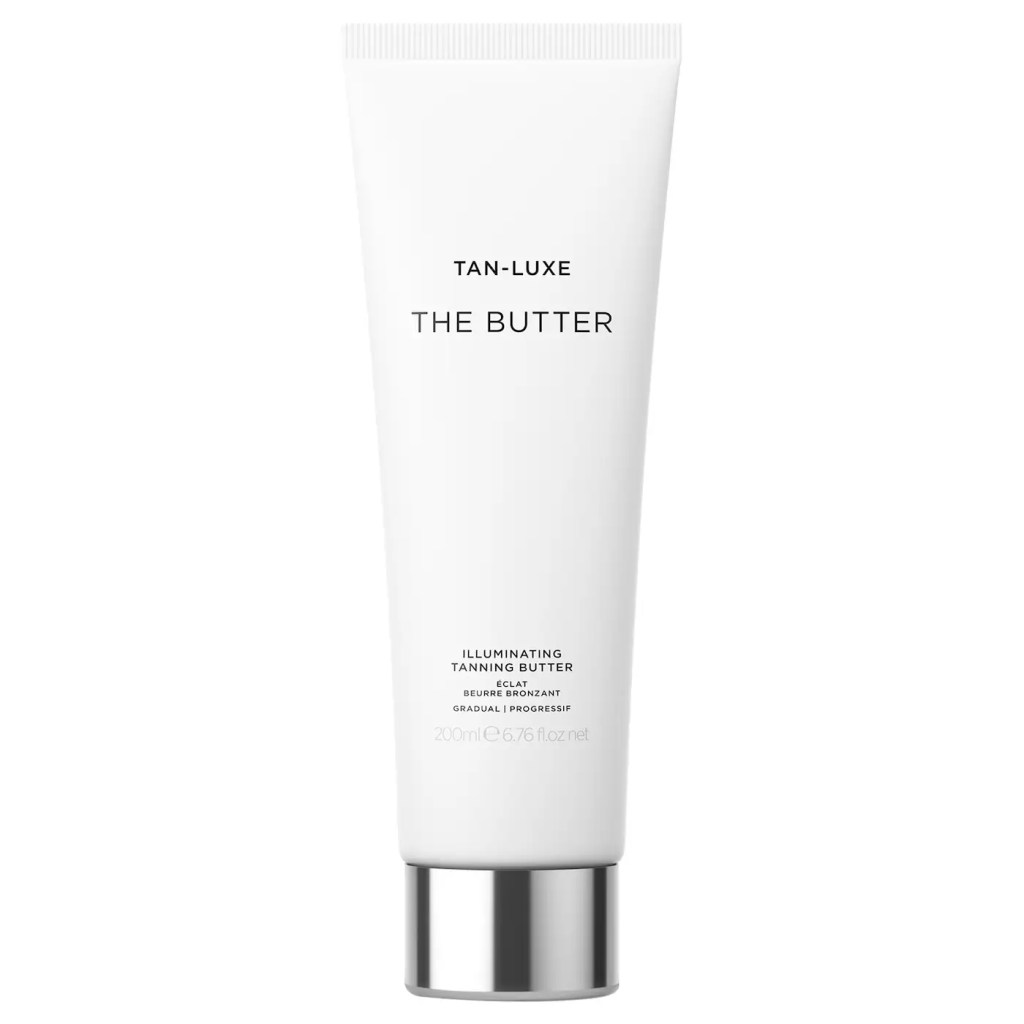
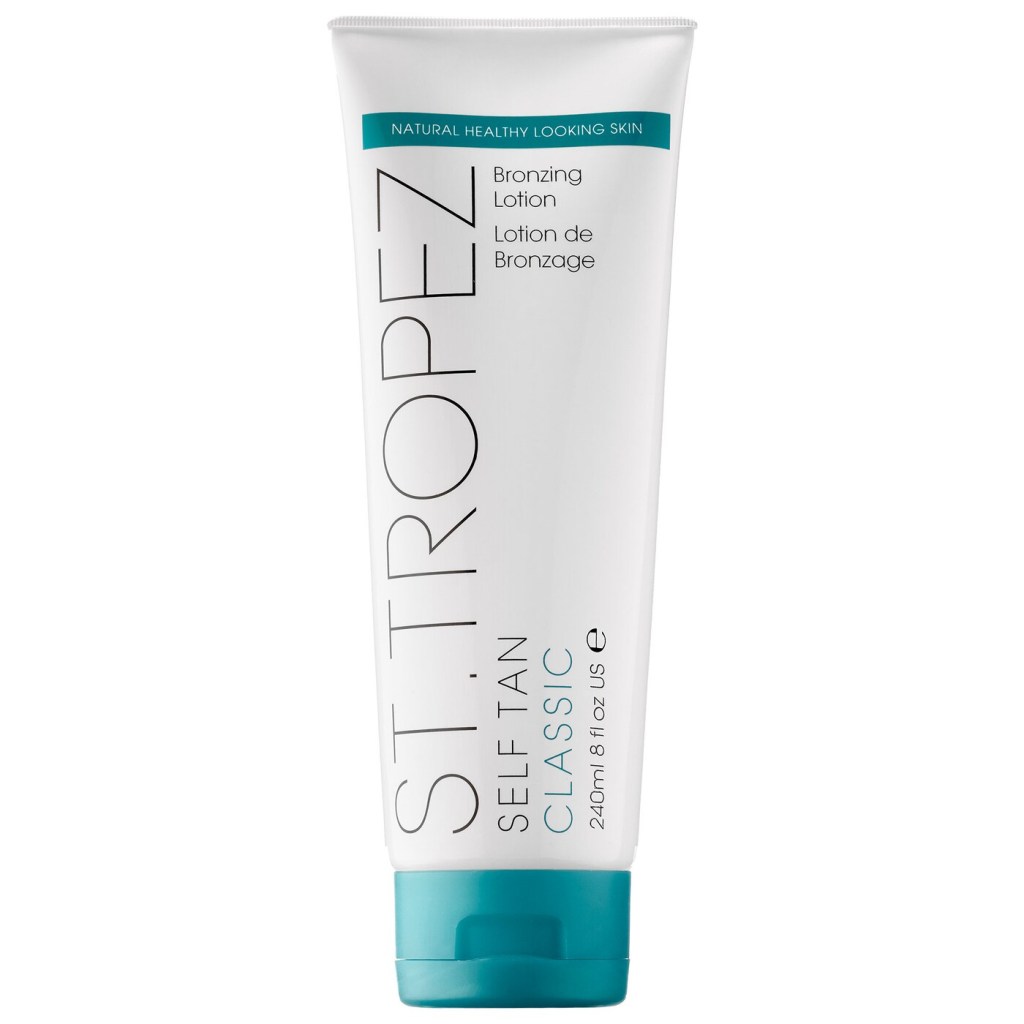
I’ve listed my top picks below with links. My personal favorites are b.tan and Coco & Eve! ☺︎
What is your favorite self-tanner? If you have any special tips or tricks, feel free to leave a comment below!

xo, Meg signature
Speech-Language Therapist Office Organization Tips

Simple SLP Office Organization Tips

Especially For Those Who Work With Kids!

I’m a Speech-Language Pathologist + work primarily with younger children in the private practice setting. For speech and language therapy, especially articulation therapy, we often use games as a cooperative strategy to keep children engaged and motivated. As you can probably imagine, it’s easy for things to get strewn about and cluttered. Our materials room + office shelves can become a disaster very quickly. We typically see clients back-to-back and we rarely have time to put things back neatly. I wanted to come up with a way to organize our shelves where they were not only pretty, but also functional. I’m obsessed with The Home Edit and recently watched an episode from their Netflix show where they organized a classroom + a playroom. They implemented their signature rainbow color scheme which is perfect for any kids space! So naturally, I decided to organize games and books using their ROYGBIV method. It’s aesthetically pleasing and much easier to keep things organized using this method. Not to mention, it’s just as easy for kids to know where things go + put them back in the appropriate space!

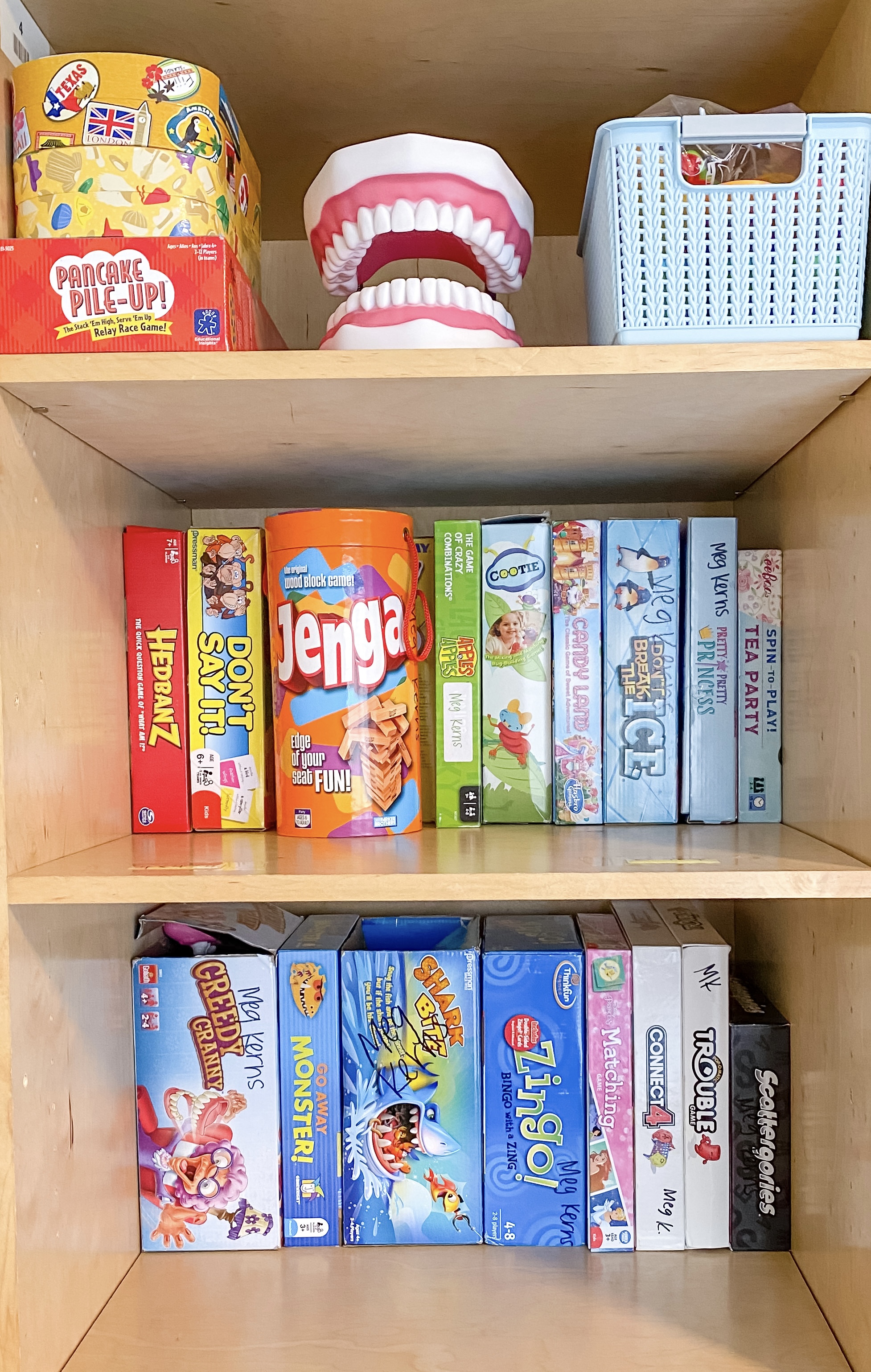
One day, I had a couple of clients out for vacation so I used that extra time to organize the game shelves in our materials room. It took only 45 minutes to an hour to complete the project. I regret not taking a before picture but I’ll give you an idea: we had games stacked horizontally and there were a few straggling pieces that didn’t make it into their boxes laying around on the shelves. We have tons of games and many were stacked in front of each other so we couldn’t really see all of the games we had. I decided to organize them vertically, as you would typically organize books. I taped the boxes that were falling apart back together to ensure pieces wouldn’t escape their proper space. Now, we can see most all of our games at a quick glance and they are much more accessible than before! Check out our office materials room below – pictured left!

For my personal office shelves + personal materials, pictured right, I implemented the same method. I don’t have near the number of games so this mini-project took about 10-15 minutes to complete. I was able to do this on my lunch break one day + still had plenty of time to eat.

As I mentioned, sometimes things get hectic and pieces are easy to lose. There is nothing worse than losing pieces to your client’s favorite game, so I keep all game pieces + parts in ziplock bags and I keep playing cards together using a rubber band. One thing I’ve noticed I haven’t really had to do is tell my clients to put the pieces back into the ziplock bags during clean up. More often than not, the kids will put things back as they were prior to using them. Shocking, I know!

So not only is this useful for organizing, but it’s a great way to teach kids organizing strategies + responsiblity, whether that be through modeling or as a speech therapy room rule.

As a side note, all of my clients LOVE the Greedy Granny game! I’ve had it for about 6 months and they continue to choose that game over most others, even from the giant selection in our materials room! If you’re in search of fun kids games, I highly recommend Greedy Granny!

For links to some of my favorite materials, check out my Amazon Storefront here!

xo, Meg signature
Beauty Blenders || How To

Beauty Blenders

How to use a beauty blender the Right way + how to clean them!

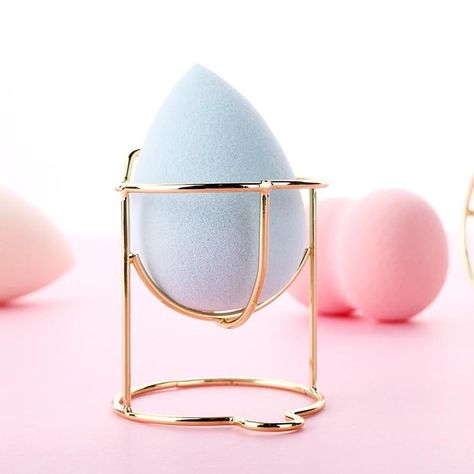
Beauty blenders, or makeup sponges, are my favorite way to apply foundation. For the longest time, I only used makeup brushes. I thought the concept of a “sponge” to apply makeup was a little absurd – they’re more likely to harbor bacteria, absorb makeup into the sponge, and can cause your makeup look cakey. All very valid concerns. During quarantine, I watched many makeup tutorials and learned the same exact concerns apply to brushes as well. It all comes down to technique

Beauty Blender Aesthetic

So, what’s the proper technique?

  1. Prep your skin. It’s best to use a hydrating serum, moisturizer, SPF, and a makeup primer. If your skin isn’t properly hydrated, the makeup will clump around dry areas and fine lines.
  2. Dampen your blender. It shouldn’t be wet and water shouldn’t come out when the blender is squeezed. When the blender is damp, it won’t absorb your makeup because there is no room for it to absorb anything else.
    • Pro Tip: For fuller coverage, use it dry to build the product.
  3. Apply product. Use your finger to dab foundation on your face. I usually put foundation on the back of my left hand and use my right index finger to dab product around my face. I start with a small amount to avoid using too much product.
  4. Bounce + blend. I take the blender and begin to gently bounce the blender all over my face to blend and smooth, starting from the center of my face and moving outward toward my jawline and hairline. If needed, I build coverage using the same method focusing on blemishes and discolorations.
  5. Fine tune with the pointed end of the blender. Once my foundation is applied, I put concealer on the back of my left hand and will use the pointed end of the blender to apply concealer under my eyes using the same bounce + blend method.

Mistakes to avoid:

  1. Dragging the sponge across your face. All this does is move product around your face leaving a very unnatural look.
  2. Getting the sponge too wet. If the sponge is too wet, product will stick to the sponge and not your face.
  3. Not cleaning it properly. If you don’t clean your blender at least weekly, this will be a recipe for acne disaster. Makeup also goes on best with a clean sponge.
  4. Not replacing your blender after 3-6 months. Over time, your blender will wear down and will need to be replaced just like a toothbrush.

How to clean your beauty blender or makeup sponge:

  1. Wet the sponge thoroughly. It should double in size!
  2. Apply soap or brush//blender cleaner to the blender. I use Dawn dishwashing soap because I have found it deep cleans the sponge better than other cleaners I have tried.
  3. Rub the blender between your hands to get all the product out of the blender.
  4. Rinse + squeeze the blender until it rings out clear water only.
  5. Blot the blender into a clean towel to remove excess water.
  6. Let your blender air dry. If you put it in a closed space, it will grow mildew – yuck!

Check out the links below for more information!


Stay tuned for more ways to use a beauty blender!

xo, Meg signature