For mental health + self care
I have put together a list of my must reads for anyone interested in improving their mental health. I will continue adding to this list so make sure to check back all along!
All are linked to my Amazon storefront here!


I have put together a list of my must reads for anyone interested in improving their mental health. I will continue adding to this list so make sure to check back all along!
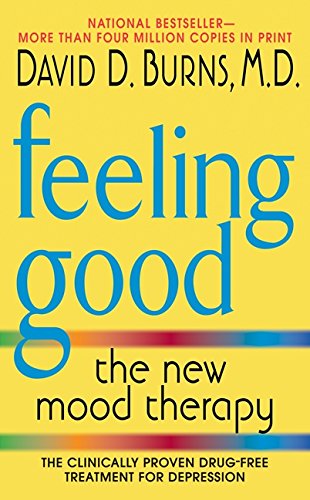
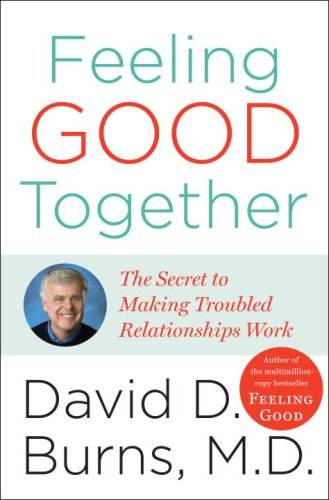
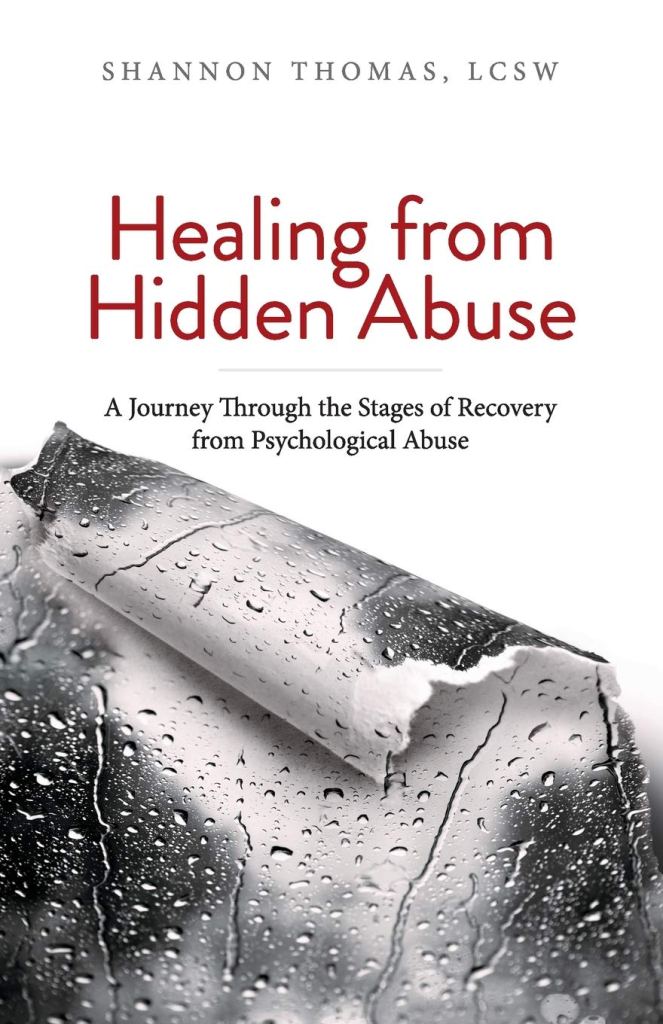
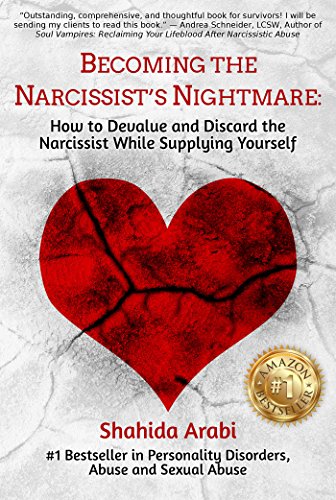
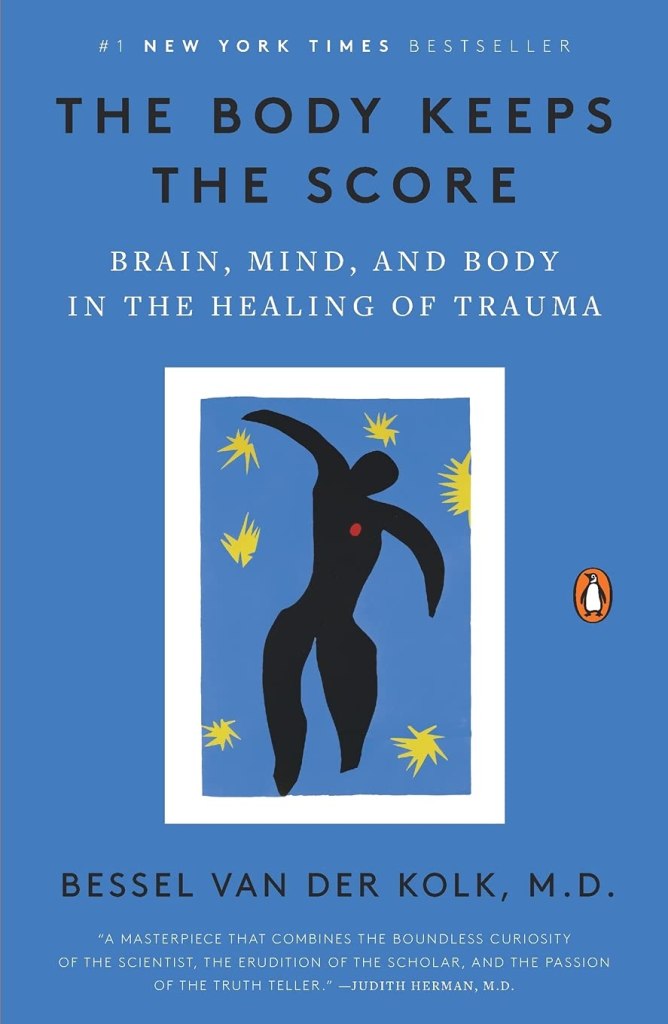
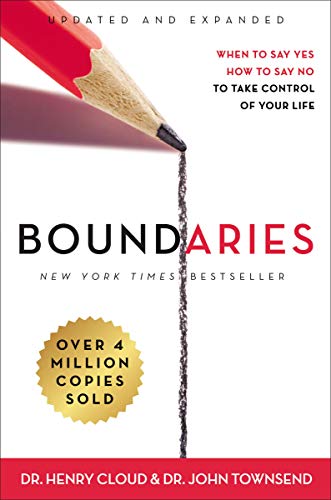

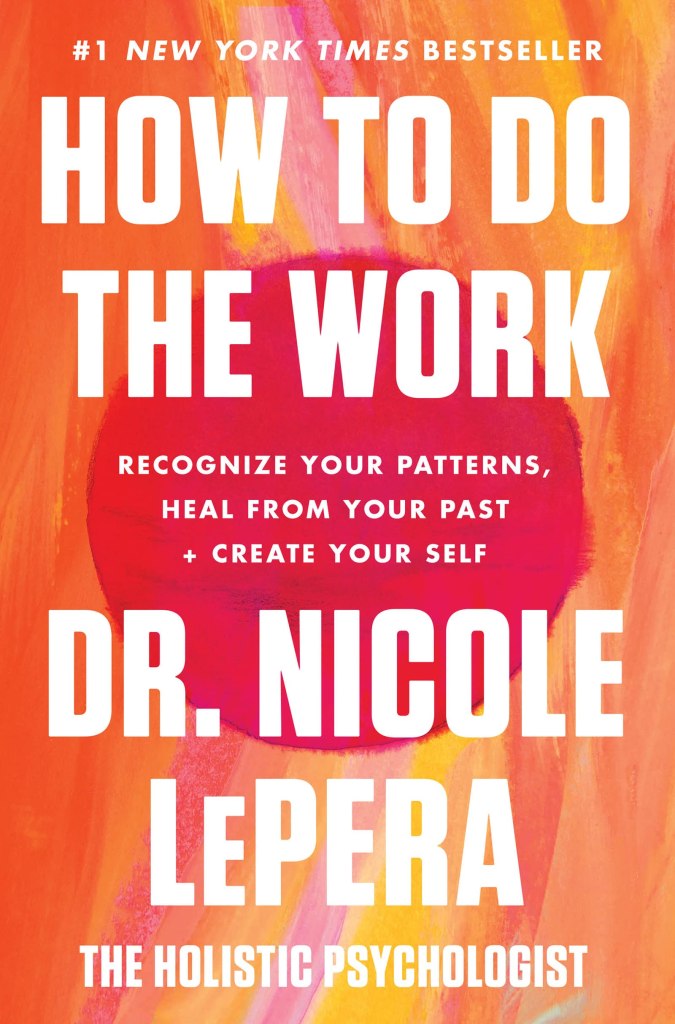
All are linked to my Amazon storefront here!
By definition, trauma is a deeply distressing or disturbing experience. Most people tend to think of trauma at the most severe level (i.e. war, rape, witnessing murder, physical or sexual abuse, etc). Of course all of those physically violent events would be severely traumatic to anyone. However, it is important to remember that experiences not involving physical violence can be severely traumatic as well.
It is all too common that we dismiss less severe traumatic events as nothing more than an uncomfortable or upsetting situation. I, myself, have been guilty of not recognizing events as “traumatic” unless they involved physical violence. Until I began seeing a psychologist in 2018 for struggles with anxiety, I did not not consider any of my life experiences to be “traumatic”. During our first session, she asked me about my childhood, my parents, my friends, and my more recent experiences in life. After discussing a couple of specific events with her, she made a statement along the lines of how traumatic this must have been due to all of the emotional distress I had described. I told her I never considered any of my life experiences as “traumatic”. Once she discussed what trauma actually is, I realized some of my experiences had actually been “traumatic”.
This conversation with my psychologist sparked a greater interest regarding the topic of trauma. I found greater insight on Psychology Today where trauma is more clearly defined as “an emotional response to severe psychological distress following any terrible or life-threatening event”. Psychological distress is defined as “a state of emotional suffering associated with stressors and demands that are difficult to cope with in daily life”. Therefore, any event causing an extreme emotional response could be considered as trauma – even seemingly “mild” experiences. A greater emotional and physiological response typically follows with every repeated exposure of traumatic experiences – again, even mild ones. With repeated exposure, we become more hyper vigilant to events that resemble the original trauma – aka “tiggers”. We all respond to trauma differently, but those experiences – especially when exposed in childhood – will effect how we respond to future events.
I recently began reading a book titled “The Body Keeps the Score” – this book explains how our brain, mind, and body heals from traumatic events. The author, Bessel Van der Kolk, M.D., has been highly involved in the research of trauma and his book offers great insight on how our whole body responds to trauma even long after the traumatic event occurred. His research has even shown that two people experiencing the exact same event may respond in completely different ways – both psychologically and physiologically. In various studies he conducted, the phyisologic response to triggers of the initial event, even 10+ years later, remained the same. I highly recommend this book for anyone interested in trauma – a link is provided below.
It is important to recognize and understand that we all have a past and our experiences, even those from childhood, can continue to effect our responses to various events years down the road. Even if we experience the exact same event, we may react one way while another person reacts a completely different way. We should not minimize someone else’s experience nor blame a victim (not even if a self-proclaimed victim) of any level of trauma – even if we feel we would not have been effected by that event or would not react that way to a certain situation. The fact of the matter is that we all have a past that may have “created” our current response to a “triggering” event. Further, we all deal with certain experiences that may be difficult to describe in a way that explains the true depth of our experience. Every single person deserves to feel validated by their emotions and perceptions. If a person is courageous enough to share their experience with you, please be mindful of how you respond. While you may not understand, you can still validate and support him or her.
In conclusion, I encourage everyone to become more aware of how you respond to others – adults and children as well. Be mindful that everyone reacts to events and various life situations differently – and the majority of the time, it is not because they’re “crazy” or “unstable”. Their life experiences have most likely shaped that response. While you may not understand, you don’t have to in order to be supportive and provide encouragement. More often than not, people just want to feel heard and validated.
For more information, please see the link provided here.
Book Linked Here: The Body Keeps the Score

 Main + Meg